

Vanta Competitors: 10 Best Alternatives for Scalable GRC in 2026
U.S. regulators continue to increase scrutiny on governance and internal controls across regulated sectors. The SEC has expanded cybersecurity disclosure expectations, while enforcement actions related to internal control failures remain a recurring issue in corporate oversight reviews.

As organizations expand beyond a single certification, such as SOC 2, compliance programs often evolve into broader governance structures involving risk management, policy oversight, and audit accountability. When compliance platforms fail to scale with this complexity, visibility declines, and operational coordination becomes increasingly difficult.
For many teams, this is the point where evaluating Vanta competitors becomes necessary.
This guide helps you compare leading alternatives and determine which platform can truly operationalize compliance, risk, and governance across your organization.
What Is Vanta?
Vanta is a compliance automation platform designed to help organizations prepare for security certifications such as SOC 2 and ISO 27001. It streamlines evidence collection, monitors certain controls, and simplifies audit preparation for growing companies.
For many startups and SaaS businesses, this approach works well in the early stages. However, as your organization expands, your compliance needs often extend beyond certification readiness.
Why Organizations Explore Alternatives?
As your GRC program matures, complexity increases across teams, systems, and regulatory requirements. What once supported a single audit cycle may not support enterprise-wide governance and risk visibility.
You are no longer managing just one framework. You may be juggling multiple standards, vendor assessments, policy updates, internal audits, and board reporting. When workflows remain siloed, you spend more time coordinating tasks than strengthening controls.
Organizations typically begin evaluating Vanta competitors when they encounter challenges such as:
- Expanding into multiple frameworks beyond SOC 2
- Limited risk management capabilities tied to enterprise risk programs
- Manual policy reviews and inconsistent employee attestations
- Disconnected workflows between compliance, IT, HR, and legal teams
- Rising costs as users, frameworks, or business units increase
- Limited real-time dashboards for executive or board-level reporting
You may also realize that audit automation does not equal operational maturity. Preparing for an assessment is important, but sustainable governance requires continuous monitoring, structured risk management, and clear accountability across departments.
As regulatory expectations continue to rise in the United States, many organizations seek alternatives that better support long-term scalability and operational control.

Top 10 Vanta Competitors in 2026
If you’re evaluating Vanta competitors, you’re likely comparing scalability, automation depth, risk visibility, and long-term operational fit. Below are ten leading platforms frequently considered as alternatives. Each serves different compliance maturity levels and regulatory environments.
1. VComply

VComply is a cloud‑based Governance, Risk, and Compliance (GRC) platform that operationalizes compliance, enterprise risk management, policy governance, and incident handling into a single governed workspace.
Rather than treating compliance as a project tied to SOC 2 or ISO readiness, it connects regulatory tracking with risk assessments, control ownership, and case workflows to create continuous, audit‑ready oversight across departments and locations.
Key Features
- Centralized compliance and control management: Map regulatory acts and obligations to locations, departments, and vendors; track controls, owners, and due dates with automated alerts and escalations.
- Enterprise risk assessments and risk registers: Run structured risk assessments, score risks, and track treatment plans in a centralized risk register with real‑time dashboards.
- Policy lifecycle management with attestations: Manage policies from draft to retirement, with version control, approvals, reminders, and mobile‑friendly attestations for audit‑ready evidence.
- Incident and case management workflows: Route incidents, non‑conformances, and findings through structured workflows with intake forms, assignments, SLAs, and audit logs.
- Real‑time dashboards and executive reporting: Provide leadership and auditors with consolidated views of control status, open issues, risk exposure, and program maturity.
Best For
Mid‑market and regulated organizations that want to unify compliance, risk, policy, and case management into a single GRC operating model, without relying on manual spreadsheets or disconnected tools.
G2 Rating: 4.6/5
Pricing: Custom pricing, with entry‑level suites typically starting around $1,000/month for the Pro GRC package; pricing scales by modules, user count, and organizational complexity.
Demo / Free Trial: Free demo available on request; 21-day free trial available.
2. Drata

Drata is a compliance automation platform focused primarily on security certifications such as SOC 2, ISO 27001, and HIPAA. It emphasizes continuous evidence collection, integrations, and collaborative workflows to streamline audit preparation for fast‑growing organizations.
Key Features
- Automated evidence collection from cloud, identity, and SaaS tools.
- Continuous control monitoring with real‑time health checks.
- Auditor collaboration features and evidence sharing.
- Broad integration ecosystem for modern security and IT stacks.
Best For
High‑growth SaaS and technology companies that want to accelerate SOC 2‑style certifications and keep evidence continuously organized for audits.
G2 Rating: 4.7/5
Pricing: Custom pricing
Demo / Free Trial: Demo available on request
3. Sprinto

Sprinto is an AI‑driven compliance automation platform that simplifies audit preparation and continuous monitoring by connecting controls, policies, and evidence across SOC 2, ISO 27001, and other major frameworks.
Key Features
- Automated compliance tracking and control‑driven workflows.
- Risk‑aware dashboards and treatment‑plan tracking.
- Pre‑mapped controls for common frameworks.
- Audit‑cycle workflows for evidence collection and remediation.
Best For
Startups and mid‑sized companies seeking guided, automation‑heavy compliance that reduces manual effort during certification cycles.
G2 Rating: 4.8/5
Pricing: Custom pricing
Demo / Free Trial: Demo and free trial available on request.
4. Scrut Automation

Scrut Automation is a cloud‑first GRC and security‑oriented platform that combines compliance management with risk and vendor‑security monitoring for organizations expanding beyond point‑in‑time certifications.
Key Features
- Continuous compliance monitoring across cloud, SaaS, and infrastructure.
- Vendor risk and third‑party risk management.
- Risk‑assessment workflows and risk‑register capabilities.
- Control tracking across SOC 2, ISO 27001, HIPAA, GDPR, and other frameworks.
Best For
Mid‑market companies that need to balance compliance automation with integrated risk and security‑posture oversight.
G2 Rating: 4.7/5
Pricing: Custom pricing
Demo / Free Trial: Demo available on request
5. Secureframe

Secureframe is a security‑first compliance and GRC automation platform that helps organizations prepare for SOC 2, ISO 27001, HIPAA, and other certifications through automated evidence collection, security‑centric monitoring, and guided workflows. It is built for companies that want to reduce manual lift while maintaining strong audit‑ready posture across cloud and SaaS environments.
Key Features
- Automated evidence collection and continuous control monitoring from cloud, identity, and SaaS providers.
- Framework‑specific templates and pre‑built controls for SOC 2, ISO 27001, and other standards.
- Security‑oriented integrations (AWS, Azure, Google Cloud, SaaS identity, and ticketing tools) to keep evidence in sync.
- Audit‑task and workflow tools that coordinate evidence‑collection, remediation, and approval steps across teams.
- Trust Center and questionnaire automation for vendors and prospects, plus basic vendor‑risk workflows.
Best For
Companies focused on achieving SOC 2 or ISO certifications efficiently, especially mid‑market SaaS and cloud‑native teams that want automation‑driven, security‑aligned compliance.
G2 Rating: 4.7/5
Pricing: Custom pricing
Demo / Free Trial: Demo and free trial available on request
6. OneTrust

OneTrust is an enterprise‑scale Governance, Risk, and Compliance (GRC) and privacy‑governance platform that unifies privacy, third‑party risk, data‑governance, and regulatory‑compliance workflows for global organizations. It is designed for large enterprises that need a single system to manage complex, multi‑jurisdictional regulatory landscapes, including GDPR, CCPA/CPRA, CCPA‑style privacy laws, and sector‑specific risk programs.
Key Features
- Privacy and data‑governance tools, including data‑inventory mapping, consent-and-subject-rights-request automation, and breach‑response workflows.
- Third‑party and vendor‑risk management, with centralized vendor profiles, assessments, and risk‑scoring workflows.
- Regulatory‑compliance tracking across privacy, security, and ESG‑related standards, with configurable policies and controls.
- Enterprise workflow automation for risk‑assessment workflows, KRIs, and cross‑functional task orchestration.
- Open‑API‑driven integrations and extensive ecosystem coverage for IT, security, and GRC systems.
Best For
Large global enterprises with complex privacy, regulatory, and third‑party‑risk programs that need a centralized, scalable GRC and privacy‑governance backbone.
G2 Rating: 4.3/5
Pricing: Custom enterprise‑grade pricing
Demo / Free Trial: Demo available on request
7. LogicGate

LogicGate is an AI‑powered GRC platform built for enterprise‑scale risk and governance programs that need heavy customization and integration with existing systems. It emphasizes low‑code workflows, central risk‑and‑control management, and AI‑driven reporting to help large organizations operationalize risk‑driven decision‑making.
Key Features
- Custom risk‑workflow builder with no‑code canvases for risk assessments, controls, and remediation.
- Enterprise risk management tools, including risk registers, scoring, and treatment plan tracking.
- AI‑powered reporting insights and automated evidence‑testing that reduce manual review and accelerate time‑to‑insight.
- Connected‑system architecture that aggregates data from multiple risk and compliance modules into a single workspace.
- Role‑based dashboards and integration capabilities with IT, security, and financial controls systems.
Best For
Enterprises requiring tailored risk and governance processes, especially organizations with complex, multi‑program risk portfolios and heavy integration needs.
G2 Rating: 4.6/5
Pricing: Custom enterprise
Demo / Free Trial: Demo available on request
8. Hyperproof

Hyperproof is an intelligent GRC and compliance‑orchestration platform focused on audit operations, evidence management, and continuous‑controls‑style workflows. It is designed to connect controls, evidence, and audit tasks across teams and frameworks while improving visibility for leadership.
Key Features
- Control mapping across SOC 2, ISO 27001, HIPAA, GDPR, and other frameworks with centralized control libraries.
- Audit‑management workflows for evidence collection, remediation, and reviewer coordination.
- Evidence tracking with versioned libraries, audit trails, and configurable evidence‑approval workflows.
- Task‑management and collaboration features that streamline cross‑team audit and remediation activities.
- Continuous‑controls‑monitoring‑style dashboards and risk‑driven views of program health.
Best For
Organizations emphasizing structured audit management and evidence‑centric processes, especially mid‑market and enterprise teams that need repeatable, scalable audit cycles.
G2 Rating: 4.5/5
Pricing: Custom pricing
Demo / Free Trial: Demo available on request
9. MetricStream

MetricStream is an enterprise-grade Governance, Risk, and Compliance (GRC) platform designed to help large organizations manage risk, compliance, internal audits, and third-party governance in a unified system. It is widely used by global enterprises operating in highly regulated environments.
Key Features
- Enterprise risk management with risk registers, scoring, and mitigation tracking
- Internal audit management for planning, execution, and reporting
- Regulatory compliance tracking across multiple jurisdictions
- Third-party risk management with vendor assessments and monitoring
- Advanced analytics and executive dashboards for risk visibility
Best For
Large enterprises that require a comprehensive, scalable GRC platform with strong audit, risk, and regulatory capabilities.
G2 Rating: 3.9/5
Pricing: Custom enterprise pricing
Demo / Free Trial: Demo available on request
10. Thoropass (formerly Laika)

Thoropass combines compliance automation with embedded audit and advisory services to help organizations achieve SOC 2, ISO 27001, HIPAA, GDPR, and other certifications with guided support. It is positioned as a “software‑plus‑services” model for companies that want hands‑on help alongside a central platform.
Key Features
- Compliance‑automation tools for evidence collection, control monitoring, and framework‑mapping.
- Integrated audit and advisory services with expert‑led guidance through gap analysis, pre‑audit check‑ins, and auditor‑facing documentation.
- Framework readiness guidance tailored to common standards such as SOC 2, ISO 27001, HIPAA, and GDPR.
- Control‑monitoring and continuous‑assessment workflows that keep evidence current between audit cycles.
Best For
Companies seeking hands‑on support alongside compliance automation, especially those managing first‑time or complex multi‑framework audits without a large in‑house compliance team.
G2 Rating: 4.7/5
Pricing: Custom pricing
Demo / Free Trial: Demo available on request
Features That You Should Assess in Vanta Alternatives
When comparing Vanta competitors, feature lists alone do not tell the full story. You need to understand how each platform supports day-to-day operations, cross-team collaboration, and long-term scalability.
Most tools perform well in audit preparation and evidence collection. However, differences become more visible when you evaluate broader governance and risk management capabilities.
Here are the core areas you should assess:
1. Compliance Automation Depth
Many platforms automate evidence collection and control monitoring for frameworks such as SOC 2 and ISO 27001. However, automation maturity varies. Some tools focus on certification readiness, while others support continuous compliance tracking across multiple regulatory programs.
You should evaluate whether the platform supports multi-entity management, ongoing control validation, and real-time compliance dashboards.
2. Risk Management Integration
Not all compliance platforms offer structured enterprise risk management. Some provide basic risk registers, while others enable formal risk assessments, prioritization, and reporting.
If your organization requires board-level visibility into risk exposure, you need more than checklist tracking. You need risk quantification, ownership assignment, and escalation workflows.
3. Policy Lifecycle Management
Policies often become disconnected from compliance programs. Leading platforms differ in how they handle policy drafting, approvals, version control, and employee attestations.
Without structured policy workflows, you may struggle to demonstrate enforcement and accountability during audits.
4. Incident and Case Management
Many compliance-first tools lack integrated incident management capabilities. If incidents, investigations, and remediation tasks are tracked outside your GRC platform, visibility declines and documentation gaps increase.
You should assess whether the platform allows structured reporting, triage workflows, and remediation tracking.
5. Reporting and Executive Dashboards
Executive teams expect clear, real-time insights into compliance posture and risk exposure. Some platforms offer basic reporting, while others provide customizable dashboards and audit-ready summaries.
The right solution should help you communicate compliance health to leadership and regulators with confidence.
Pricing Considerations and Total Cost of Ownership
When evaluating Vanta competitors, pricing is rarely just about subscription cost. It is about how much operational friction you eliminate—or continue to carry—over the next several years.
Most vendors offer custom pricing, which makes side-by-side comparisons difficult. Entry pricing may appear competitive, but costs often rise as you add frameworks, users, integrations, or business entities.
To make a confident decision, you need to evaluate the total cost of ownership, not just the first-year spend.
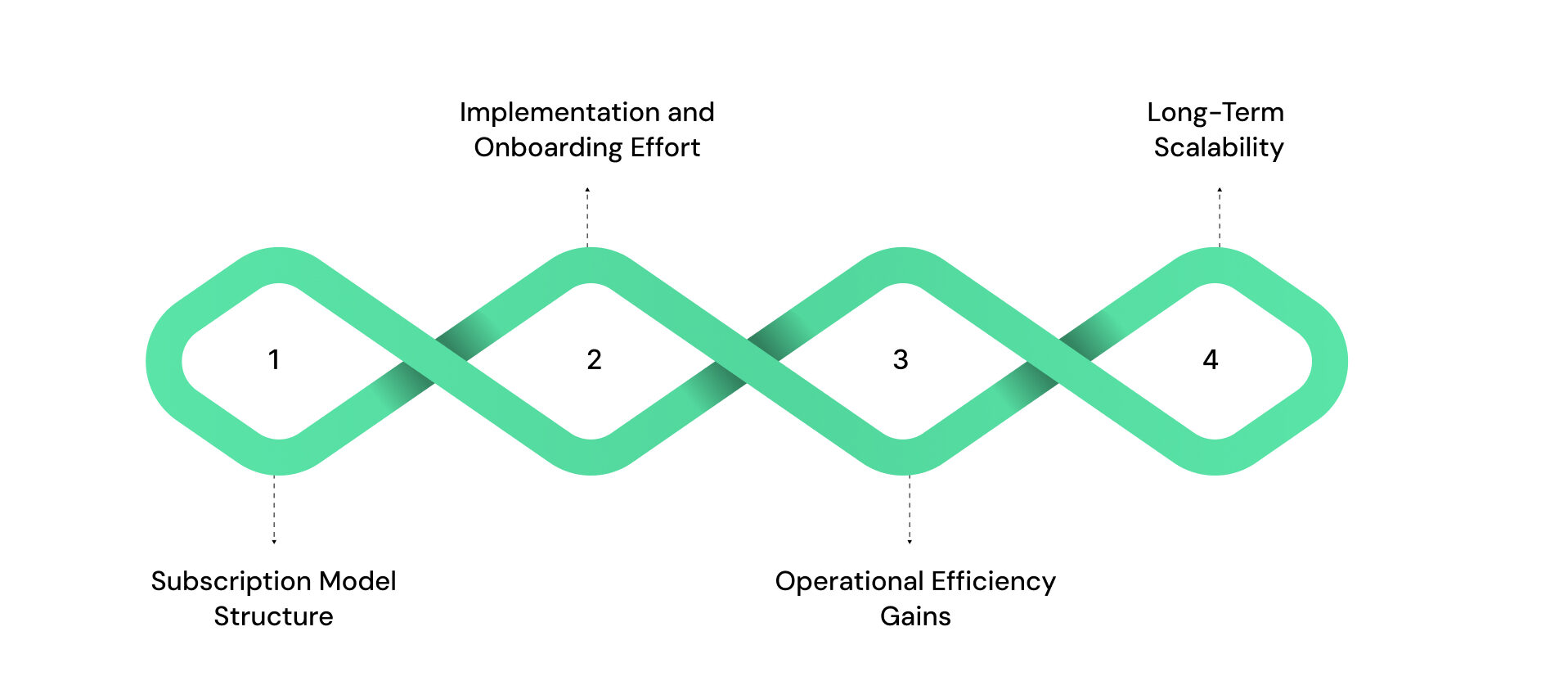
1. Subscription Model Structure
Some platforms charge per framework, which can increase expenses quickly as your regulatory scope expands. Others price by user count or feature tiers, which may limit access to critical reporting or workflow capabilities.
If your organization anticipates growth, pricing flexibility becomes essential.
2. Implementation and Onboarding Effort
Hidden costs often appear during deployment. Complex configuration, consulting fees, or heavy internal resource commitments can increase your total investment.
A platform that supports structured onboarding and intuitive workflows reduces both time-to-value and internal strain.
3. Operational Efficiency Gains
Manual processes create indirect costs that rarely show up in a proposal. If your team manages risk registers in spreadsheets or tracks incidents across disconnected systems, audit cycles take longer, and oversight becomes reactive.
A centralized GRC platform reduces duplication, improves accountability, and shortens audit preparation timelines.
4. Long-Term Scalability
Over a three- to five-year horizon, your compliance footprint will likely expand. Executive reporting expectations will increase, and risk oversight will become more formalized.
This is where platforms built for integrated GRC operations stand apart.
VComply’s modular structure, through ComplianceOps, RiskOps, PolicyOps, and CaseOps, allows you to scale capabilities without switching systems or layering additional tools. Instead of paying for fragmented solutions, you consolidate governance, risk, policy, and incident workflows into a single operational framework.
If you want pricing that aligns with long-term scalability rather than short-term certification goals, exploring VComply’s tailored approach can help you assess the true return on your GRC investment.
Strengthen Your Compliance Program with ComplianceOps
If you’re evaluating Vanta competitors because your compliance program feels reactive or fragmented, you likely need more than audit automation. You need structured control tracking, real-time visibility, and clear ownership across departments.
ComplianceOps helps you centralize regulatory requirements, map controls across multiple frameworks, and maintain continuous audit readiness. Instead of scrambling before assessments, you gain a unified view of compliance health and accountability across your organization.
Schedule a free demo to see how ComplianceOps can help you operationalize compliance with confidence.
Conclusion
Choosing among Vanta competitors is not just about comparing features. It is about determining whether your GRC program can scale with growing regulatory demands, cross-functional complexity, and rising executive expectations. As compliance requirements expand across industries, fragmented workflows and audit-only solutions limit visibility and increase operational risk.
By adopting a unified GRC platform like VComply, you move from reactive certification management to structured, operational governance. You gain centralized oversight, stronger accountability, and measurable risk reduction across departments.
Start a 21-day free trial to see how VComply can help you operationalize compliance and build a more resilient organization.
FAQs
Some of the best Vanta competitors include Drata, Sprinto, Secureframe, Scrut Automation, OneTrust, LogicGate, and AuditBoard. The right choice depends on your company size, regulatory scope, and need for risk or policy management features.
Companies often switch when their compliance needs expand beyond SOC 2 automation. They may require stronger risk management, better policy governance, or more scalable reporting capabilities.
Vanta supports multiple frameworks, including ISO 27001 and HIPAA. However, it is widely known for SOC 2 automation and is commonly used by SaaS companies preparing for certification.
Most Vanta competitors use custom pricing based on frameworks, users, and features. Costs typically increase as your compliance scope and organizational complexity grow.
You should look for multi-framework support, continuous monitoring, structured risk management, and clear reporting dashboards. Long-term scalability and ease of implementation are also important factors.
Some alternatives offer stronger enterprise-grade governance and risk management capabilities. Larger organizations often require advanced reporting, cross-team workflows, and centralized oversight beyond basic audit automation.