

Top Risk Analysis Tools in 2026 for Scalable Compliance Operations
Running compliance in a fintech or SaaS company quickly becomes less about spotting risks and more about keeping everything moving from controls, remediation, and reporting, without turning the team into spreadsheet operators.
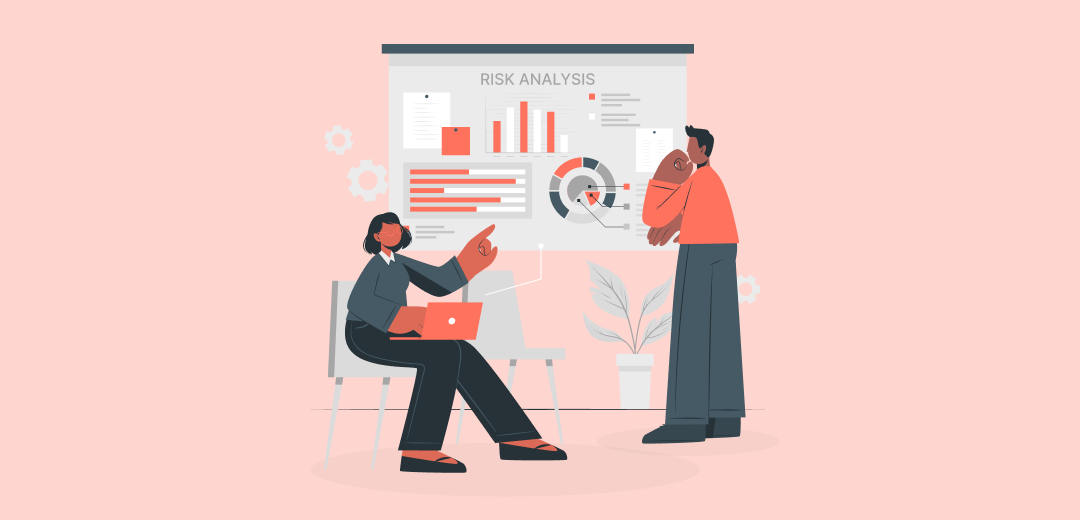
The real pressure lies in maintaining clear ownership, linking risks to controls and incidents, and consistently demonstrating audit readiness across evolving frameworks and business units.
This is where most teams feel the gap. Identifying risk once a quarter is manageable; sustaining control and visibility every single day is not. As operations scale, fragmented systems and manual tracking begin to slow everything down.
That is why the best risk analysis tools in 2026 are shifting away from static assessments toward continuous operational control. This guide focuses on platforms that help you centralize risk, automate workflows, and keep leadership informed, while reducing the operational drag that makes compliance harder to manage at scale.
Key Takeaways
- Risk analysis tools centralize identification, scoring, and monitoring of risks
- Modern tools provide real-time visibility, not static reports
- Integration with compliance and incidents is critical
- Third-party and operational risks require cross-functional visibility
- Most failures come from fragmented workflows, not lack of tools
- The best platforms enable accountable, system-driven risk management
What Is a Risk Analysis Tool?
A risk analysis tool is a central system that structures how the organization identifies, assesses, and prioritizes risks across operations, systems, and third‑party relationships. These tools replace ad‑hoc spreadsheets and fragmented processes with a defined workflow that captures, scores, assigns, and tracks risks through to remediation.
Modern risk analysis tools go beyond one‑time assessments. They centralize risk data, automate ownership and follow‑up, and provide real‑time visibility into changing exposure, so compliance teams can move from reactive, audit‑driven reviews to continuous risk oversight.
At an operational level, they help you:
- Identify risks across functions (engineering, product, security, vendor management, operations) in a single place.
- Standardize scoring and prioritization so leadership sees consistent severity levels, not inconsistent gut‑feel ratings.
- Monitor and report on risk posture over time, so you walk into board and regulator meetings with clear, evidence‑based narratives.
The shift is structural: risk analysis becomes an ongoing operating system, not a periodic task. For your role, that means less firefighting, more visibility, and clearer accountability across teams.
Also Read: Creating an Effective Compliance Risk Analysis Framework
Top Risk Analysis Tools in 2026
The right risk analysis tool for your organization depends on how effectively it structures risk workflows, connects data across systems, and provides real-time visibility. The platforms below represent different approaches to risk analysis, from structured GRC systems to highly customizable enterprise solutions.
1. VComply
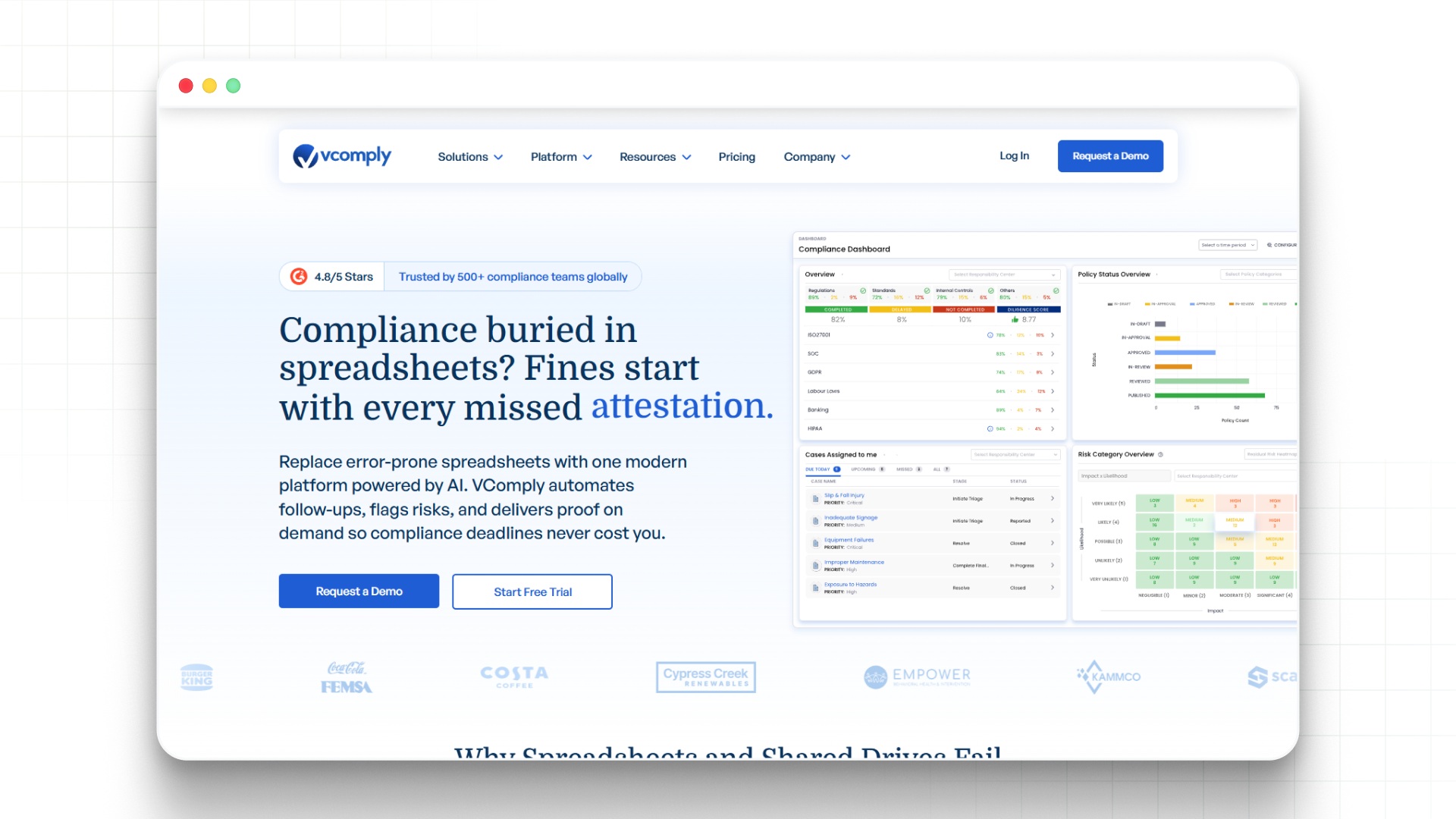
VComply approaches risk analysis as a core part of a GRC operating system, not a standalone module. Through its RiskOps layer, VComply connects risk identification, assessment, treatment, and monitoring into a single workflow, so risks are not just logged in a spreadsheet but actively managed, owned, and re‑assessed over time.
For compliance‑ and risk‑driven teams, this structure matters most where risk, compliance, and incidents intersect. VComply maps risks to inherent and residual risk assessments, links them to controls and policies, and tracks mitigation plans end‑to‑end, so you can maintain a continuous, organization‑wide view of exposure instead of relying on point‑in‑time assessments.
Key Features
- Centralized risk register with real‑time updates: Log, categorize, and track risks across departments, with ownership, severity, and mitigation status in one place.
- Automated risk assessment and scoring workflows: Schedule and run risk workshops, automate scoring based on impact/likelihood, and configure AI‑driven or custom scoring models that reflect your risk appetite.
- Integration with compliance, policy, and incident tracking: Tie risks directly to controls, policies, and incidents/cases, so risk posture is always contextualized by what is happening on the ground.
- Audit‑ready dashboards and reporting: Use live dashboards, risk heatmaps, and executive‑level summaries to show total risk exposure by department, top‑rated risks, and progress on treatment plans, ready for board or regulator discussions.
- Cross‑functional visibility across departments: Enable collaboration between risk, security, product, legal, and operations, with shared registers, task assignments, and escalation paths so risks don’t get lost at functional handoffs.
Best For
Organizations that need structured, continuous risk analysis integrated with compliance and operational workflows.
G2 Rating: 4.6
Pricing: Custom pricing based on modules starting at $1000/mo
Demo / Free Trial: Demo available on request/ Free 21-day trial
2. ZenGRC
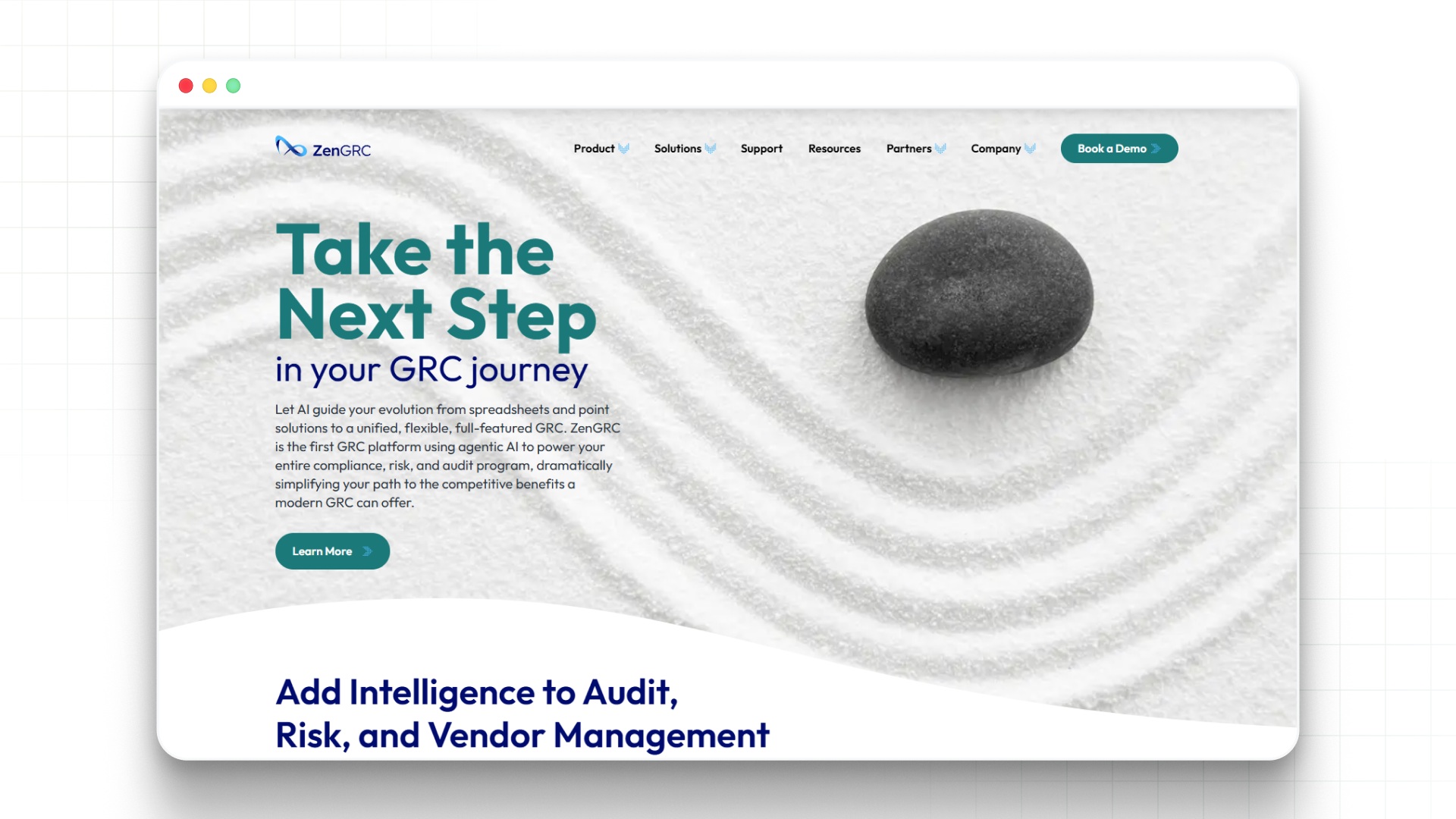
ZenGRC is built for compliance-driven teams that need to map risk directly to regulatory requirements without adding unnecessary operational complexity. It provides a structured way to align risk exposure with frameworks like SOC 2, HIPAA, NIST, and ISO 27001, ensuring every risk is tied to controls and audit evidence.
It is most effective when the primary goal is to maintain audit readiness and structured documentation, rather than orchestrating ongoing, cross-functional risk workflows.
Key Features
- Framework-linked risk register: Risks are directly mapped to compliance frameworks (SOC 2, ISO, NIST), ensuring every identified risk ties back to a control and audit requirement.
- Assessment and audit workflow automation: Standardized workflows for risk assessments and audits reduce manual coordination, but remain largely tied to compliance cycles.
- Centralized evidence repository: All documentation, test results, and control evidence are stored in one place, simplifying audit preparation and traceability.
- Pre-built compliance templates: Out-of-the-box frameworks help teams get started quickly without designing risk structures from scratch.
- Basic reporting and dashboards: Provides visibility into compliance status and risk posture, though insights are primarily audit-oriented rather than operational.
Best For
Compliance-driven organizations focused on audit alignment and framework mapping
G2 Rating: 4.4/5
Pricing: Custom pricing
Demo / Free Trial: Demo available
3. LogicGate Risk Cloud
LogicGate Risk Cloud is designed for teams that need flexibility in how risk analysis workflows are structured. Its no-code environment allows organizations to build custom processes for risk identification, assessment, and tracking without relying on engineering teams.
This flexibility is valuable in complex environments, though it often requires more setup and ongoing management to maintain consistency across workflows.
Key Features
- No-code workflow builder: Build and modify risk processes (assessments, approvals, remediation) without engineering support, adapting workflows as requirements evolve.
- Custom risk modeling and scoring: Define risk categories, scoring logic, and relationships between risks, controls, and assets to reflect internal structures.
- Connected GRC data model: Centralizes risk, audit, vendor, and compliance data into a single system, enabling cross-functional analysis.
- Automated tasking and lifecycle tracking: Assign ownership, track remediation, and manage workflows across risk stages, though setup requires deliberate configuration.
- Analytics and reporting layer: Dashboards and reporting provide visibility into risk trends, but depend heavily on how workflows are designed.
Best For
Organizations with complex risk environments requiring customizable workflows
G2 Rating: 4.6/5
Pricing: Custom pricing
Demo / Free Trial: Demo available
4. StandardFusion

StandardFusion provides a structured, integrated GRC platform that combines risk, compliance, and audit into a single system. Its approach is less about customization and more about providing a consistent framework for managing risk across the organization. This makes it suitable for teams that want a guided, standardized approach rather than building workflows from scratch.
Key Features
- Centralized risk and control register: Manage risks, controls, and compliance requirements in a single structured system.
- Integrated compliance and audit workflows: Risk assessments, audits, and policy tracking operate within predefined workflows for consistency.
- Multi-framework support: Supports standards like ISO 27001, SOC 2, HIPAA, and NIST within one platform.
- Evidence and document management: Store and track audit evidence, linking it to controls and risks for easier validation.
- Structured reporting dashboards: Provides visibility into compliance and risk posture, primarily through standardized reporting views.
Best For
Mid-sized organizations looking for a structured and standardized GRC approach
G2 Rating: 4.5/5
Pricing: Custom pricing
Demo / Free Trial: Demo available
5. Resolver
Resolver focuses on connecting risk analysis with real-world outcomes, particularly incidents and operational disruptions. Instead of treating risk as a standalone dataset, it links risks to incidents, helping organizations understand how identified risks materialize in practice. This makes it valuable for teams that want to move beyond theoretical risk scoring to more actionable insights.
Key Features
- Risk-to-incident linkage: Connects risk registers with incident data, helping teams understand how risks translate into actual events.
- Operational risk tracking workflows: Track risks through identification, assessment, and mitigation, with a focus on operational outcomes.
- Incident management system: Capture, escalate, and resolve incidents within the same platform as risk tracking.
- Loss and impact analysis: Analyze historical incidents and losses to inform future risk prioritization.
- Visualization and trend analysis: Dashboards highlight patterns in incidents and risk exposure over time.
Best For
Organizations that want to connect risk analysis with incident and operational data
G2 Rating: 4.3/5
Pricing: Custom pricing
Demo / Free Trial: Demo available
6. Fusion Framework System

Fusion Framework System is built around operational resilience, combining risk analysis with business continuity and incident response. It is designed for organizations where disruptions, whether cyber, operational, or third-party, must be anticipated and managed systematically. The platform emphasizes real-time visibility and coordinated response across risk and continuity functions.
Key Features
- Risk integrated with business continuity: Links risk assessments to business impact and recovery planning, rather than treating risk in isolation.
- Scenario and impact modeling: Simulate disruptions and assess how risks affect operations, systems, and teams.
- Crisis and incident management workflows: Coordinate response actions across teams during disruptions.
- Resilience planning tools: Build and maintain continuity plans tied to identified risks.
- Real-time dashboards: Monitor operational resilience and risk exposure across business units.
Best For
Enterprises focused on resilience and continuity planning
G2 Rating: 4.4/5
Pricing: Custom pricing
Demo / Free Trial: Demo available
Also Read: Introduction to Project Risk Assessment: Tools, Templates, and Techniques
Key Features to Look for in Risk Analysis Tools
Modern risk analysis tools are expected to move beyond static risk registers and support the full risk lifecycle, from identification and assessment to response. For compliance leaders, the focus is on continuous visibility, clear ownership, and system-driven execution, not static tracking.
What actually matters:
- Centralized risk visibility: One system that brings risks across teams, systems, and third parties into a single, reliable view, eliminating fragmented tracking.
- Standardized risk scoring: Consistent impact/likelihood models so leadership sees comparable, decision-ready risk data, not subjective assessments.
- Workflow-driven risk lifecycle: Automated assessments, ownership assignment, and escalation workflows that ensure risks are actively managed, not just logged.
- Real-time monitoring and alerts: Continuous tracking of risk status, control failures, and mitigation progress, so teams don’t rely on periodic reviews.
- Connected risk ecosystem: Native linkage between risks, controls, policies, incidents, and audits to reflect how risk actually materializes in operations.
- Decision-ready reporting: Dashboards and trend views that translate risk data into clear priorities for leadership and regulators.
- Scalability without complexity: Flexible enough to adapt to changing frameworks and teams, without requiring constant reconfiguration or manual work.
Benefits that Risk Analysis Tools Bring to Improve Decision Speed
Risk analysis tools are no longer just about documenting risk, they’re about keeping risk visible, owned, and moving across the organization. The biggest gains come from reducing manual effort while improving decision speed and accountability.;
1. Faster, more confident decisions
Real-time risk data and standardized scoring give leadership a clear view of exposure, helping prioritize what actually needs attention.
2. Always-on audit readiness
Centralized evidence, audit trails, and structured workflows make it easier to demonstrate compliance without last-minute effort.
3. Lower operational overhead
Automation removes repetitive tracking, follow-ups, and reporting—freeing teams to focus on mitigation and strategy instead of admin work.
4. Stronger risk visibility and control
A single system of record ensures risks aren’t buried across spreadsheets, enabling continuous monitoring and early detection of issues.
5. Improved resilience and fewer surprises
Ongoing tracking and alerts help teams identify issues early and respond before they escalate into incidents or audit findings.
6. Better cross-functional accountability
Shared workflows and ownership ensure risk doesn’t get lost between teams, improving follow-through across compliance, security, and operations.
Risk Analysis Templates
Templates are useful starting points; they help standardize how risks are identified, assessed, and documented. But on their own, they rely heavily on manual updates and coordination.
- Risk Assessment Matrix: Helps prioritize risks based on likelihood and impact, giving teams a quick way to identify high-priority issues.
- Risk Register: A centralized log of risks, including ownership, status, and mitigation plans, often the foundation of most risk programs.
- Root Cause Analysis Template: Used after incidents to identify underlying issues and prevent recurrence, rather than just addressing surface-level problems.
- SWOT Analysis Template: Evaluates internal and external factors that influence risk exposure, supporting broader strategic planning.
- Brainstorming Template: Facilitates collaborative risk identification across teams, ensuring diverse inputs early in the process.
- Fishbone (Ishikawa) Diagram: Breaks down contributing factors to a risk or issue, helping teams analyze complex problems systematically.
If your risk process still depends on periodic updates and manual coordination, the gap isn’t visibility; it’s execution. Closing that gap requires moving from static tracking to system-driven risk operations.

Structuring Risk Analysis for Continuous Visibility and Accountability
Across the tools and patterns discussed, the underlying challenge is not identifying risks; it is maintaining consistent visibility, ownership, and follow-through as risk exposure evolves. Many organizations have risk registers and assessment processes in place, but these often operate in isolation, are updated periodically, and are disconnected from compliance, incidents, and day-to-day operations. This creates gaps in how risks are tracked, escalated, and acted upon, particularly when exposure spans multiple teams and systems.
Addressing this requires more than adding another tool; it requires structuring risk analysis as an ongoing, system-driven process. VComply’s RiskOps layer provides a framework for this by connecting risk identification, assessment, and monitoring into unified workflows. This allows organizations to maintain real-time visibility into risk posture, enforce accountability across teams, and ensure that risk insights translate into action.
Start a 21-day free trial to know how RiskOps structures risk visibility and supports continuous, accountable risk management.
Conclusion
Risk analysis tools have evolved from static assessment platforms to systems that support continuous oversight and decision-making. The difference between effective and ineffective programs is no longer the presence of tools, but how well they structure workflows, connect data, and enforce accountability.
As risk exposure becomes more interconnected, fragmented approaches make it difficult to maintain visibility and respond consistently. VComply addresses this by bringing risk, compliance, and operational workflows into a unified system, enabling structured, real-time oversight.
Book a demo and learn how VComply helps organizations operationalize risk analysis with visibility and accountability.
FAQs
By embedding risk into daily workflows, where risks are continuously updated, linked to controls and incidents, and tracked through ownership and remediation.
Ownership and follow-through. Risks get logged but not updated, actions aren’t tracked, and visibility becomes fragmented across teams.
Risks should be directly linked to controls, policies, and incidents—so exposure reflects what’s actually happening, not just assessments.
When updates are manual, ownership is unclear, and audit prep becomes time-consuming, signaling the need for a system, not documents.
Traditional tools document risk. Modern tools operationalize it, through workflows, ownership, and continuous visibility.