

Creating an Organizational Code of Ethics: Essential Components and Importance
The way organizations think about ethical responsibility has fundamentally changed. Today, reputation is shaped not only by financial results, but by how consistently a company acts when faced with pressure, ambiguity, or rapid change. In environments driven by technology, data, and public scrutiny, ethical lapses rarely stay hidden for long.
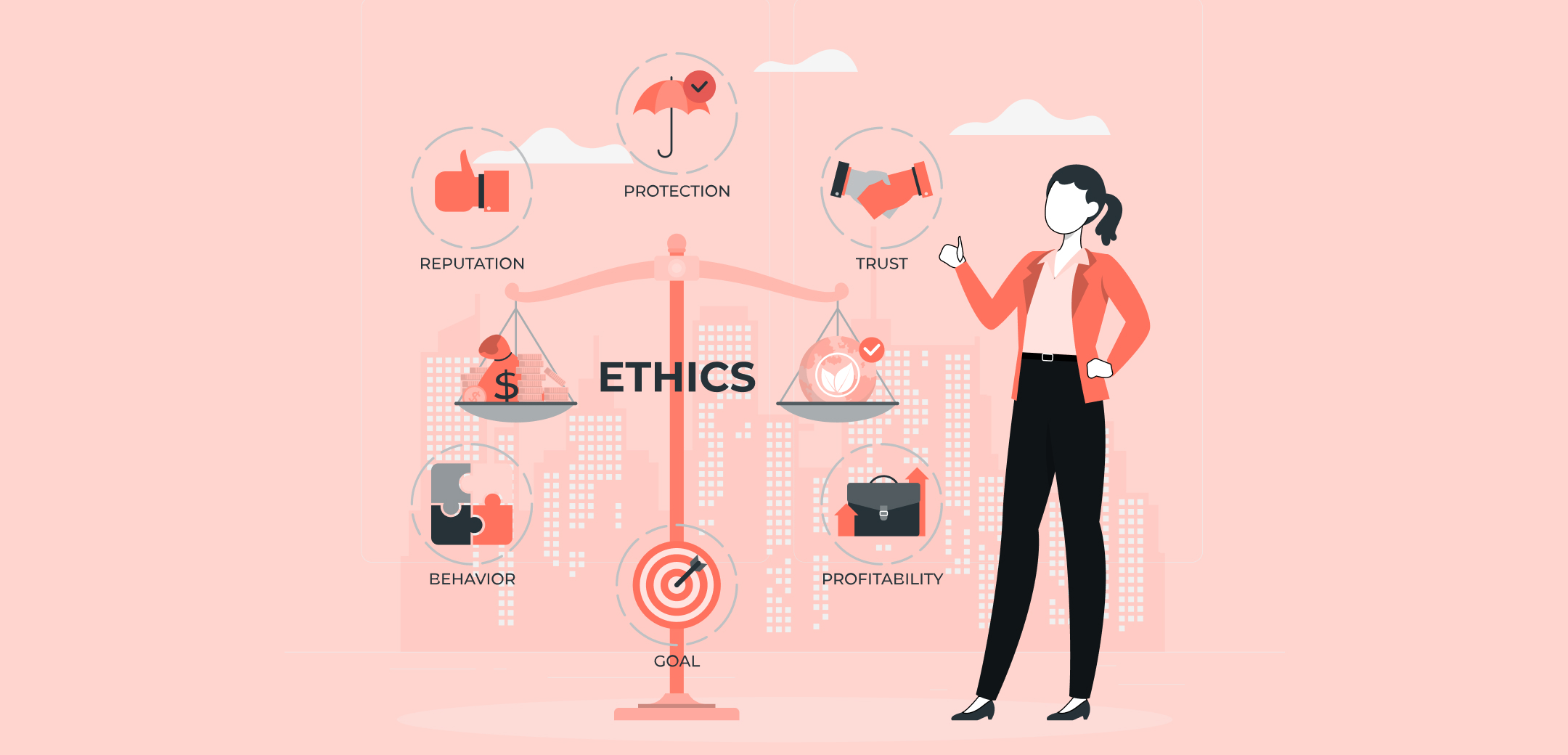
An organizational code of ethics provides the clarity needed in these moments. It defines expected behavior, guides decision-making, and sets a common standard across the enterprise. More than a compliance document, it serves as a practical framework for addressing modern challenges such as responsible AI use, data protection, and sustainable operations, helping organizations build trust, accountability, and long-term resilience.
Key Takeaways
- An organizational code of ethics defines the core values and moral obligations of a company, distinguishing between what is legal and what is right.
- A well-implemented code serves as a primary defense against internal fraud, harassment, and regulatory violations, potentially reducing legal liabilities under the U.S. Federal Sentencing Guidelines.
- Beyond compliance, the code fosters a culture of transparency and psychological safety, encouraging employees to report misconduct without fear of retaliation.
- Investors, customers, and partners in 2026 increasingly prioritize ethical alignment, making a public-facing code of ethics a prerequisite for market competitiveness.
- Ethical standards must be reviewed and updated annually to address emerging risks, including data privacy, algorithmic bias, and remote work integrity.
Defining the Organizational Code of Ethics in 2026
To understand the modern organizational code of ethics, it is necessary to distinguish it from other corporate documents. While many use the terms code of ethics and code of conduct interchangeably, they serve different functions within a governance framework.
A code of conduct is typically prescriptive, focusing on specific actions and prohibited behaviors, such as rules regarding office attire or attendance.
In contrast, a code of ethics is philosophical and value-based. It describes the spirit of the organization and the moral principles that should inform every action, especially when a direct rule does not exist.
For US-based organizations, the development of this code is heavily influenced by the regulatory expectations of the Securities and Exchange Commission and the Department of Justice.
Following the mandates of the Sarbanes-Oxley Act, publicly traded firms must maintain ethical standards that ensure the accuracy of financial reporting and the prevention of fraud. However, in the current year, the scope has expanded.
A 2026 ethical code must now address the nuances of decentralized workforces and the ethical implications of automated decision-making systems. It is the high-level framework that informs all subsequent policies, procedures, and guidelines.
The Intersection of Values and Compliance
The most effective codes in 2026 are those that bridge the gap between compliance and culture. Compliance focuses on following the law to avoid punishment, whereas ethics focuses on doing what is right because it aligns with the organization’s identity.
When an organizational code of ethics is successfully integrated into the daily workflow, employees no longer view rules as obstacles to be bypassed. Instead, they see them as the necessary boundaries that protect the health of the community and the longevity of the brand.
Also Read: Comparative Analysis Between Code of Conduct and Code of Ethics
With a clear definition established, we must explore the specific drivers that make this document a necessity for modern business.
What is the Purpose of a Code of Ethics?
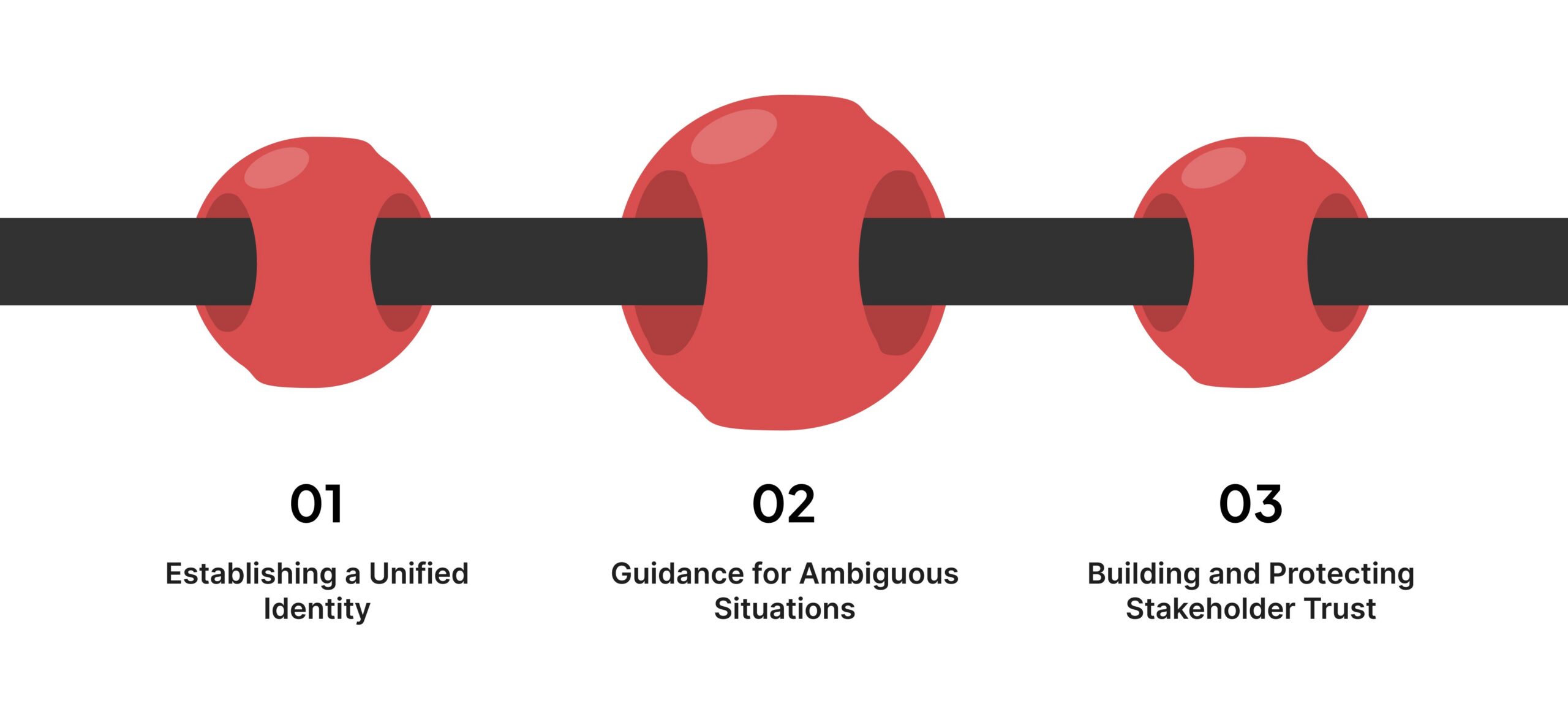
When leaders ask, what is the purpose of a code of ethics, they are essentially asking how they can ensure a thousand different people make a thousand different decisions that all lead to the same moral outcome.
The purpose is to provide a standardized framework for human behavior in a commercial setting. Without this standardization, an organization is merely a collection of individuals following their own personal moral codes, which can lead to significant inconsistency and risk.
Establishing a Unified Identity
The primary purpose is to articulate the soul of the company. It answers the question: Who are we when things get difficult? By documenting core values such as honesty, accountability, and respect, the organization creates a shared language.
This unity is especially important for U.S. firms with global footprints, where cultural differences might otherwise lead to varying interpretations of acceptable behavior. The code ensures that regardless of where an employee is located, the standard of excellence remains the same.
Guidance for Ambiguous Situations
In the fast-paced environment of 2026, employees frequently encounter situations where the correct path is not immediately obvious. These are not necessarily choices between right and wrong, but choices between two competing priorities.
For example, an employee might have to decide between meeting an aggressive sales target and disclosing a potential product limitation to a client.
The organizational code of ethics provides the decision-making criteria for these moments, empowering the employee to prioritize long-term trust over short-term gain.
Building and Protecting Stakeholder Trust
Trust is the most valuable currency in 2026. Customers want to buy from companies that share their values; investors want to fund companies that are unlikely to be embroiled in scandals; and talented professionals want to work for organizations that treat them with dignity.
The purpose of a code of ethics is to serve as a public promise to these stakeholders. It is a demonstration of transparency that proves the organization is willing to hold itself accountable to a higher standard than what is simply required by law.
Understanding the purpose allows an organization to identify the specific building blocks required to make the code functional and enforceable.
The 7 Must-Have Components of a Modern Organizational Code of Ethics
A high-quality organizational code of ethics in 2026 is far more than a collection of platitudes. It is a structured, detailed document that provides actionable guidance across several key domains.
To be effective, the code must be tailored to the specific operational risks of the company while maintaining a universal focus on human dignity and honesty.
1. Leadership Commitment and the Executive Example
The document must begin with a clear statement from the highest levels of management. This is often referred to as the leadership commitment. It establishes that ethical behavior is a top priority for the board of directors and the executive team.
This section should emphasize that no financial goal is ever important enough to justify a violation of the code. In 2026, employees are highly sensitive to hypocrisy; if the leadership does not visibly embody the values described in the code, the rest of the document will be ignored.
2.Core Values and Principles
The heart of the organizational code of ethics is the values section. These are the 4-6 fundamental beliefs that the company holds most dear. Common examples include:
- Accountability: Taking ownership of one’s actions and their consequences.
- Excellence: Striving for the highest quality in every task.
- Honesty: Being truthful in all internal and external communications.
- Inclusivity: Valuing diverse perspectives and ensuring equal opportunity. Each value should be accompanied by a brief explanation of how it applies to the workplace, moving from an abstract concept to a practical expectation.
3. Conflicts of Interest and Personal Gain
Conflict of interest remains a primary driver of corporate misconduct. This component must clearly define what constitutes a conflict, such as hiring family members, accepting expensive gifts from vendors, or having a financial stake in a competitor.
The code should provide a clear process for disclosing these potential conflicts and explain that the mere appearance of a conflict can be as damaging as an actual one.
4. Data Privacy, Cybersecurity, and AI Ethics
As of 2026, the ethical use of technology is a mandatory component of any corporate code. This section should outline the organization’s commitment to protecting customer and employee data.
Furthermore, it must address the ethical use of artificial intelligence, ensuring that AI tools are used transparently, without bias, and in a way that does not compromise the privacy of individuals. This is a critical area of focus for U.S. regulators who are increasingly scrutinizing how algorithms impact consumer rights.
5. Workplace Conduct and Human Rights
An ethical organization is one where every person is treated with respect. This section must explicitly prohibit all forms of harassment, discrimination, and bullying. It should also address broader human rights, such as ensuring fair wages, safe working conditions, and the prohibition of forced labor within the global supply chain.
In 2026, companies are expected to take a proactive stance on social justice, making this section vital for both internal culture and public perception.
6. Environmental Stewardship and Sustainability
Reflecting the 2026 emphasis on environmental responsibility, the code should detail the company’s commitment to sustainable operations. This includes efforts to reduce carbon emissions, minimize waste, and source materials ethically.
Sustainability is no longer an optional add-on; it is a core ethical principle that reflects the organization’s responsibility to future generations.
7. Reporting Mechanisms and Protection from Retaliation
The most important part of the code is the section that tells employees what to do when they see something wrong. It must list all available reporting channels, such as anonymous hotlines, online portals, or direct access to the compliance officer.
Most importantly, it must contain a strict non-retaliation policy. Employees must be guaranteed that they will not face professional or personal backlash for reporting a suspected violation in good faith.
Suggested Read: Developing Your Personal Code of Ethics: Examples
While the components define the document’s content, the strategic importance of the code lies in its ability to protect the company’s future.
The Strategic Importance of Ethical Governance in the U.S. Market
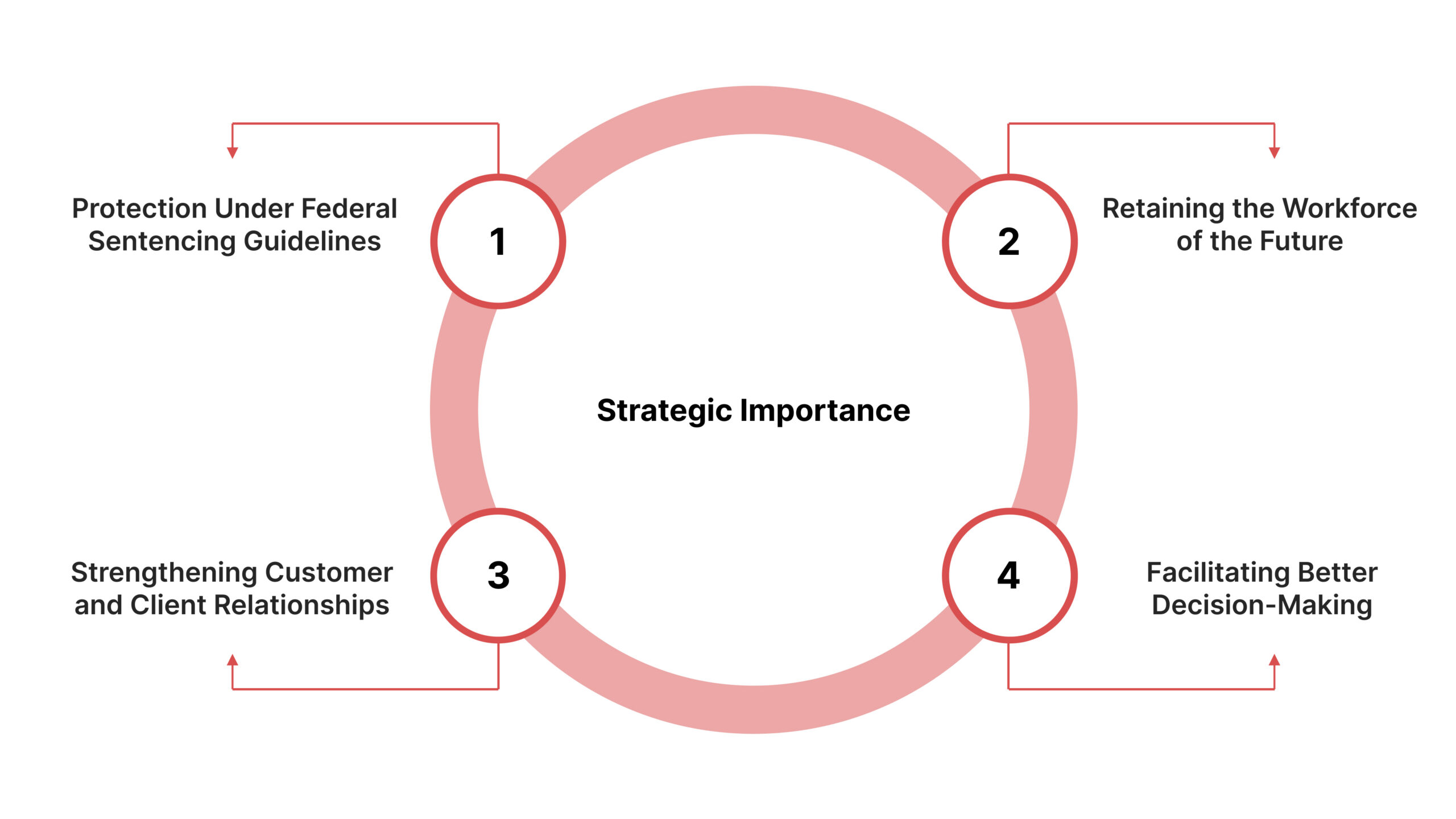
The importance of an organizational code of ethics has shifted from a legal defense to a primary driver of business value. In the current U.S. market, ethics and performance are deeply intertwined. Organizations that fail to maintain high ethical standards often face rapid declines in market share, stock price, and brand equity.
1. Protection Under Federal Sentencing Guidelines
In the United States, the Department of Justice uses the Federal Sentencing Guidelines to determine the severity of penalties for corporate crimes. If a company can prove that it has an effective ethics and compliance program, of which the code of ethics is the foundation, it may receive a significant reduction in fines.
This legal protection is a powerful incentive for executives to invest in a robust ethical framework, as it can save the organization hundreds of millions of dollars in the event of an isolated incident.
2. Attracting and Retaining the Workforce of the Future
The modern U.S. workforce, particularly younger generations, places a high premium on working for a company with a strong moral identity. They are not just looking for a paycheck; they are looking for a sense of purpose.
A clearly articulated organizational code of ethics is one of the most effective recruitment tools available. Moreover, when employees feel that their company acts with honesty and fairness, they are more engaged, more productive, and significantly less likely to leave for a competitor.
3. Strengthening Customer and Client Relationships
In 2026, the average consumer has access to vast amounts of information regarding corporate behavior. They are increasingly making purchasing decisions based on ethical alignment.
A company that is known for its fair treatment of workers and its commitment to environmental sustainability will enjoy higher levels of customer loyalty. Conversely, a single ethical lapse, if poorly handled, can lead to widespread boycotts and permanent damage to the brand.
4. Facilitating Better Decision-Making
An ethical framework simplifies the decision-making process. When employees are faced with difficult choices, they do not have to guess what the organization expects of them.
The code provides a ready-made set of criteria that can be used to evaluate any potential action. This leads to greater consistency across the organization and reduces the stress associated with making high-stakes decisions.
Also Read: Master 2026 Compliance With Risk Management and Governance Practices
Establishing the importance of ethics is the first step toward implementation, which requires a structured and collaborative approach.
Implementing the Organizational Code of Ethics: A Step-by-Step Guide
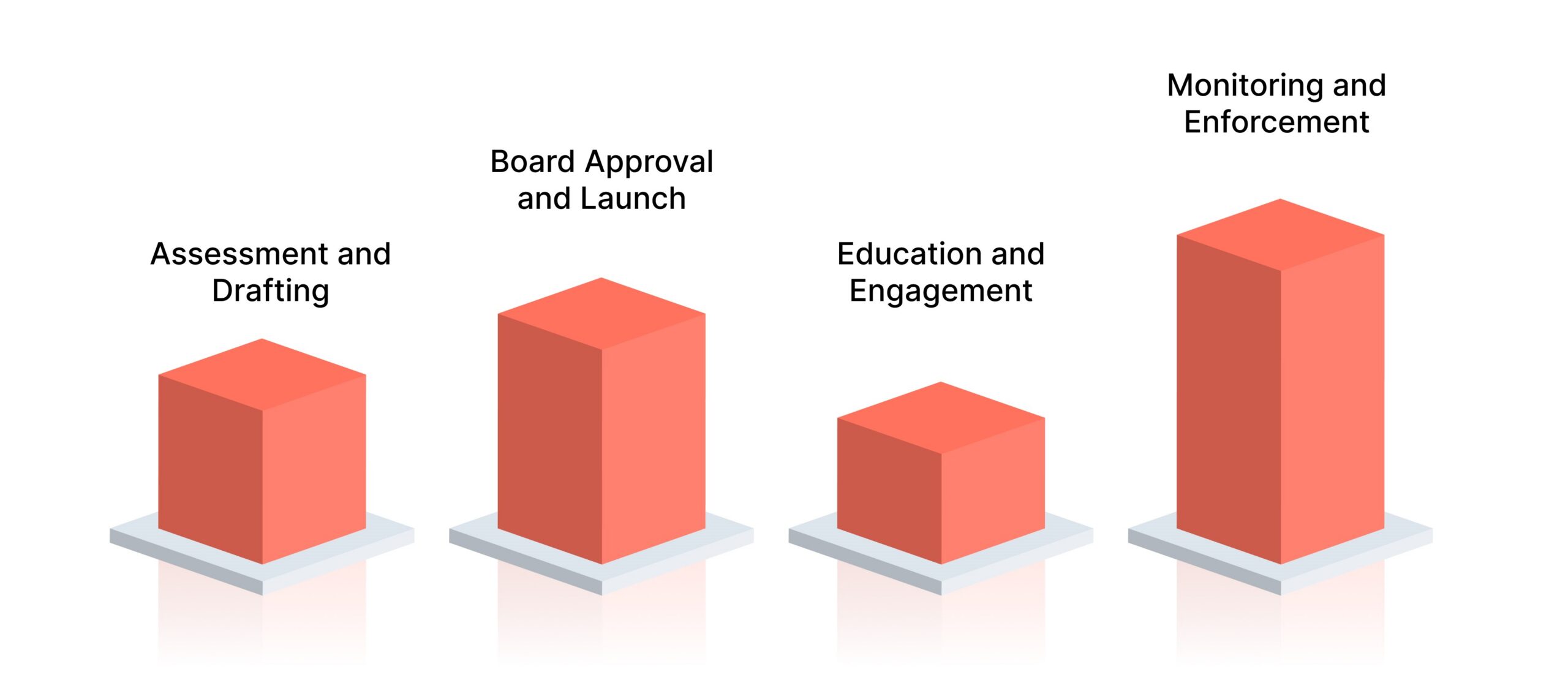
Creating the document is only half the battle. To be effective, the organizational code of ethics must be successfully implemented and woven into the fabric of the daily operations. This requires a transition from a static PDF into a living, breathing part of the corporate culture.
Step 1: Assessment and Drafting
The first step is to identify the specific ethical risks facing your organization. This is best done through a combination of internal audits and employee surveys.
Once the risks are identified, a multi-disciplinary team including representatives from HR, Legal, Compliance, and Operations should draft the code. The language should be clear, concise, and free of legal jargon to ensure it is accessible to all employees.
Step 2: Board Approval and Launch
The code must be formally reviewed and approved by the board of directors. This gives the document the necessary authority. The launch should be treated as a major corporate event, with a message from the CEO explaining why the code is important and how it will be used. This top-down endorsement is critical for ensuring employee buy-in.
Step 3: Education and Engagement
Simply distributing the code is not enough. Organizations must implement mandatory, interactive training sessions that help employees understand how the code applies to their specific roles.
These sessions should use realistic scenarios to allow employees to practice making ethical decisions. In 2026, this training should be ongoing rather than a one-time event, with regular updates that address new risks as they emerge.

Step 4: Monitoring and Enforcement
For the code to be credible, it must be enforced consistently. This means that violations must be investigated promptly and fairly, and appropriate disciplinary action must be taken, regardless of the offender’s rank.
Organizations should also regularly monitor the effectiveness of the code by tracking reporting rates, conducting culture surveys, and performing periodic audits of key risk areas.
Modern implementation requires more than just manual oversight; it requires a centralized platform that can manage the complexities of a 2026 compliance program.
Modernizing Ethical Oversight with VComply
In the complex regulatory environment of 2026, managing an organizational code of ethics using manual spreadsheets and disparate documents is no longer efficient or secure.
VComply provides a unified Governance, Risk, and Compliance (GRC) platform that allows U.S. organizations to automate the lifecycle of their ethical framework, ensuring that values are translated into measurable actions across the entire enterprise.
VComply offers specialized modules that address every aspect of ethical governance:
- PolicyOps for Global Consistency: With VComply’s Policy Management Software, you can centralize your code of ethics and all related policies in a single, accessible location. The platform automates the distribution of the code to every employee and tracks mandatory acknowledgments, ensuring that your audit trail is always complete and defensible.
- ComplianceOps for Continuous Monitoring: The Compliance Management module allows you to map your code of ethics to specific regulatory requirements, such as those from the SEC or the Department of Labor. You can set up recurring checks and automated reminders to ensure that ethics training is completed and that your program remains in alignment with evolving laws.
- RiskOps for Targeted Protection: Use Risk Management tools to identify which ethical pillars are most vulnerable within your organization. By quantifying these risks, you can prioritize your resources toward the areas where misconduct is most likely to occur, moving from a reactive to a proactive ethical stance.
- Incident Management for Fair Remediation: When a violation is reported, CaseOps ensures a structured and transparent investigation process. It captures all evidence and decision-making steps, providing the documentation needed to prove that the organization took appropriate action in accordance with its ethical standards.
By integrating these functions into a single platform, VComply helps organizations reduce the administrative burden of ethics management while significantly increasing the effectiveness of their cultural defenses. Get started with a 21-day free trial.
Wrapping Up
The creation and implementation of an organizational code of ethics is a defining moment for any U.S. enterprise in 2026. It is the foundation upon which trust, culture, and resilience are built.
By clearly articulating core values, providing guidance for ambiguous situations, and ensuring a robust commitment to human rights and data privacy, organizations can safeguard their future against the rising tide of misconduct.
A code of ethics is not just a document for the compliance department; it is a shared promise that empowers every employee to act with honesty and courage.
With the support of advanced governance tools like VComply, organizations can ensure that their ethical principles are more than just words on a page; they are the operational reality that drives sustainable success in an increasingly complex world. Schedule a demo to see how VComply helps operationalize your code of ethics with clarity, accountability, and control.
Frequently Asked Questions (FAQs)
No, although they are closely related. A code of ethics is a value-based document that outlines the moral principles of the organization. A code of conduct is more rule-based, providing specific instructions on how employees should behave in particular situations. Most modern organizations combine both into a single, comprehensive manual.
In the fast-moving business climate of 2026, the code should be reviewed at least once every 12 to 24 months. This allows the organization to address new risks, such as those related to artificial intelligence, remote work security, and shifting social expectations regarding sustainability.
While the code itself may not be a law, it serves as the internal law of the organization. It is the basis for disciplinary actions and provides a clear signal to regulators that the company is committed to legal and moral compliance.
In the US, having an effective code can also lead to reduced penalties during a legal investigation.
Distribution is not enough. You must require a formal attestation where employees sign off that they have read and understood the document. Furthermore, the code should be integrated into regular training sessions and performance reviews, ensuring that it remains a relevant part of their professional development.
Yes. In 2026, transparency is a strategic advantage. Making your organizational code of ethics available on your public website demonstrates to customers, investors, and potential employees that you are proud of your values and willing to be held accountable to them by the public.