

Understanding the Importance of Risk Management in HR: A Guide
Discover how effective HR risk management boosts compliance and productivity. Learn to safeguard your organization and empower your workforce today!
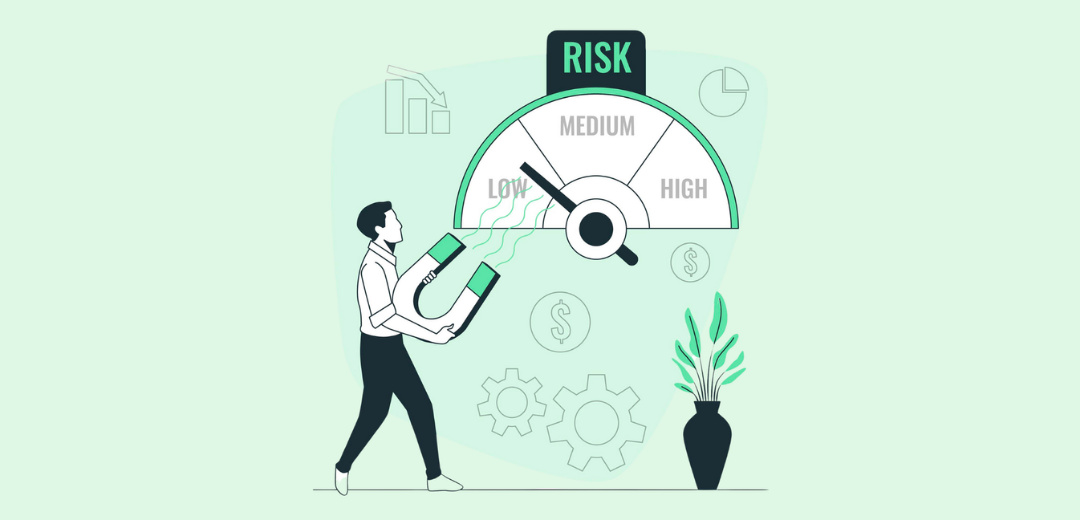
HR risk management is the process of identifying, assessing, reducing, monitoring, and documenting risks connected to employees, workforce operations, employment laws, workplace safety, employee data, payroll, benefits, hiring, training, conduct, and employee relations.
For HR teams, risk management is not only about avoiding legal penalties. It is about making sure people-related risks are visible, assigned to the right owners, controlled through policies and procedures, and reviewed before they turn into lawsuits, employee harm, turnover, data breaches, audit findings, or reputational damage.
This guide explains the most common HR risks, how to conduct an HR risk assessment, how to build an HR risk management framework, and how VComply helps teams manage HR compliance risks with clear ownership, evidence, workflows, and reporting.
Key Takeaways (TL;DR)
- Learn how to proactively manage HR risks to protect your organization from legal issues, employee dissatisfaction, data breaches, and operational disruptions.
- Explore key strategies: develop risk assessment frameworks, implement robust employee training, create crisis management plans, monitor compliance, conduct regular audits, manage data security, and foster diversity and inclusion.
- Get guidance on leveraging technology: use AI-driven analytics for predictive insights, HRIS and HRMS for real-time monitoring, automated compliance tools, and secure systems to protect sensitive data.
- Ensure improvement by integrating feedback mechanisms, measuring KPIs like turnover and training completion, staying updated, and embedding risk management into company culture to foster accountability and proactive reporting.
What is HR risk management?
HR risk management is the structured process of identifying, assessing, mitigating, and monitoring risks related to the workforce and HR operations. These risks may include employment law compliance, discrimination and harassment, employee data privacy, workplace safety, payroll errors, benefits administration, hiring practices, employee relations, remote work, training gaps, and turnover.
A strong HR risk management program usually includes policies, risk assessments, training, reporting channels, incident workflows, audits, corrective actions, evidence records, and regular monitoring.
Read: How to Conduct an Effective Audit: A Step-by-Step Approach and a Checklist for Success
Why is Risk Management in HR Important?
Risk management in HR is a crucial part of any organization’s strategy to steer clear of legal troubles and stay compliant with the ever-evolving landscape of labor laws, workplace safety standards, and privacy regulations.
Staying on the right side of these rules is not just about avoiding penalties—it can save organizations from catastrophic financial losses.
Beyond staying out of legal hot water, effective risk management in HR is vital to safeguarding a company’s good name and ensuring its ability to bounce back from setbacks.
Poor HR practices can send shockwaves through revenue streams and public perception, highlighting the importance of not just compliance but also nurturing a positive workplace culture.
Let’s take a closer look at why risk management in HR is so critical and how it can directly impact a company’s success.
- Compliance with Labor Laws and Regulations: Staying compliant with constantly changing labor laws and employment regulations is fundamental to avoiding costly penalties. Risk management helps HR teams stay up-to-date with legal requirements, such as minimum wage laws, working conditions, and employee benefits. For example, a company that fails to adhere to workplace safety standards could face heavy fines and damage to its reputation.
- Preventing Workplace Discrimination and Harassment: Ensuring a safe and respectful work environment is another important aspect of risk management. Implementing policies and training to avoid discrimination and harassment not only protects employees but also shields the organization from lawsuits and reputational harm. A company with a poor track record in these areas may struggle to attract top talent and maintain employee morale.
- Protecting Employee Data and Privacy: In today’s digital age, safeguarding employee data is more important than ever. Risk management in HR ensures compliance with privacy regulations, such as CCPA or GDPR, and helps prevent data breaches that could compromise sensitive information. Mishandling employee data could lead to significant legal consequences and loss of trust from both employees and clients.
- Promoting Employee Retention and Engagement: Proper risk management goes beyond compliance—it also helps in creating a positive and engaging workplace culture. By addressing issues such as work-life balance, employee development, and fair compensation, HR can reduce turnover and foster a more committed workforce. High employee turnover can be costly, not just in terms of hiring and training, but also in the loss of institutional knowledge.
- Enhancing Crisis Preparedness: Organizations with strong HR risk management strategies are better prepared to handle crises, such as workplace accidents, natural disasters, or public relations issues. By having crisis management plans in place, companies can respond quickly and effectively, minimizing the impact on employees and operations. For example, having a clear communication plan during a pandemic can ensure employee safety and business continuity.
- Supporting Company Reputation: A company’s reputation is closely tied to how it treats its employees. Poor HR practices, such as unethical hiring, wage issues, or lack of diversity initiatives, can harm a company’s public image. On the other hand, a well-managed HR risk strategy helps build a positive reputation, which can attract talent, investors, and customers. Organizations with a strong commitment to ethical and fair practices are more likely to thrive in competitive markets.
- Encouraging Continuous Improvement: Risk management in HR isn’t just about solving current problems; it’s also about preventing future ones. Regular audits, employee feedback, and policy updates ensure that an organization continues to evolve and adapt to new challenges. By continuously improving HR processes, organizations can maintain a proactive approach to risk management and foster long-term growth.
Effective risk management in HR is critical to ensuring that organizations not only comply with laws and regulations but also build a resilient and positive workplace. From safeguarding employee data to maintaining a good reputation, a strong HR risk management strategy provides the foundation for sustainable success.
Read: People, Process, and Technology: The Three Pillars of Effective Compliance Management
Organizations that maintain active monitoring and employ solid crisis management strategies are better equipped to spot issues before they explode, enhancing their capacity to weather unexpected storms.
Examples of Risk Management in Action
Consider a tech company that invests in HR training to recognize and address harassment, discrimination, and data protection risks early on. By holding regular workshops and updating protocols, the HR team reduces the likelihood of lawsuits and enhances employee trust, leading to improved retention.
Practical Strategies for Effective HR Risk Management
- Develop a Risk Assessment Framework: This framework should cover areas like employee conduct, recruitment practices, and workplace safety. Regular audits and assessments help uncover potential risks, allowing HR to address them proactively.
- Implement Robust Employee Training: Providing training on compliance, workplace behavior, and cyber hygiene ensures that employees are prepared to handle sensitive data responsibly. This mitigates the risk of data breaches—a critical concern as data privacy laws tighten.
- Create a Crisis Management Plan: A well-defined crisis management strategy helps HR teams respond quickly to issues such as public complaints, internal disputes, or even global events that affect employee well-being. Swift, effective responses to crises can protect the company’s reputation and reassure stakeholders.
Building a productive and motivated workforce
Risk management in HR is not just about ticking legal boxes; it’s about building an environment where productivity and motivation thrive.
Companies can see significant boosts in productivity by prioritizing employee engagement and retention through initiatives like regular feedback, growth opportunities, and recognition programs. Moreover, fostering a well-rounded work-life balance through mental health support and wellness programs is vital in curbing turnover.
These practices foster positivity and stability in the workplace, driving down costs from turnover and dissatisfaction while enhancing overall organizational morale.
Key HR Risks and Challenges
In today’s dynamic work environment, HR departments play a crucial role in addressing a wide range of risks and challenges that can impact a company’s stability and growth. Recognizing these risks is the first step to managing them successfully.
Here are some critical areas HR should focus on.
Compliance Risks
- Aligning with labor laws and regulations involves staying updated on laws such as the Fair Labor Standards Act and the Family and Medical Leave Act.
- It requires regular updates, meticulous documentation, internal audits, and legal consultations to avoid legal issues, financial penalties, and damage to the company’s reputation.
Operational Risks
- These revolve around recruitment, training, and retention.
- Innovative recruitment strategies and ongoing employee development help mitigate talent shortages.
- Seeking feedback from employees can improve training programs and boost employee satisfaction.
- Leadership development ensures managers can lead a productive workforce.
Data Security Risks
- With increasing cyber threats, data security has become a vital concern. Nearly 43% of cyberattacks target small to medium-sized businesses, often due to employee error.
- Implementing cybersecurity measures, providing regular employee training, and establishing an effective incident response plan are essential.
- Compliance with data protection laws such as GDPR and HIPAA is also necessary to protect sensitive employee data.
Employee Relations
- Managing relationships within the workplace is crucial for creating a positive culture.
- This involves setting up clear conflict resolution processes, recognition programs, and promoting work-life balance.
- Ensuring alignment with anti-discrimination laws helps build an inclusive environment.
Diversity and Inclusion Risks
- Cultivating a diverse and inclusive workplace is essential.
- Initiatives like cultural sensitivity training and forming employee resource groups can help in promoting diversity and inclusion.
Remote Work and HR Risk Management
- With the rise of remote work, new challenges emerge. Companies must ensure remote employees comply with labor laws, maintain data security, and feel engaged.
- Effective communication, tailored performance management systems, and robust tech support are critical components in managing these risks.
Health and Safety Risks in HR
- Comprehensive risk assessments and health and safety training are crucial for workplace safety.
- Clear mechanisms for reporting and addressing safety concerns help maintain a safe work environment.
Financial Risks in HR Management
- Compliance with employment laws is fundamental, as errors in payroll or misclassification of employees can lead to significant fines and back taxes.
- Proper management of payroll compliance, worker’s compensation, and benefits administration is necessary.
HR Risk Management in Mergers and Acquisitions
- Managing HR risks during mergers and acquisitions requires handling complex transitions while ensuring compliance and preserving employee satisfaction.
- Detailed due diligence, integration planning, and ongoing communication are essential to ensure smooth transitions for all stakeholders.
Common HR Risks Organizations Should Track
| HR risk category | Examples | Potential impact |
|---|---|---|
| Employment law compliance | Wage and hour issues, leave management, classification errors, labor law changes | Fines, lawsuits, back pay, audit findings |
| Discrimination and harassment | Bias, hostile workplace, retaliation, poor investigation processes | Legal claims, employee harm, reputational damage |
| Employee data privacy | Mishandled employee records, weak access controls, privacy law gaps | Data breaches, regulatory penalties, loss of trust |
| Payroll and benefits | Incorrect payroll, overtime errors, benefits mismanagement | Financial loss, employee dissatisfaction, compliance violations |
| Workplace safety | Unsafe conditions, poor reporting, missed corrective actions | Injuries, OSHA issues, operational disruption |
| Hiring and onboarding | Inconsistent screening, poor documentation, policy gaps | Bad hires, compliance issues, inconsistent employee experience |
| Training gaps | Missed compliance training, weak policy awareness | Policy violations, misconduct, audit gaps |
| Employee relations | Grievances, conflicts, poor documentation, unresolved complaints | Turnover, claims, culture issues |
| Remote work | Data security, time tracking, jurisdictional employment rules | Compliance gaps, productivity issues, security risks |
| Workforce planning | High turnover, skills gaps, succession risk | Operational disruption, hiring costs, knowledge loss |
| M&A and restructuring | Integration issues, policy inconsistencies, employee communication gaps | Retention risk, compliance gaps, cultural friction |
Also Read: People, Process, and Technology: The Three Pillars of Effective Compliance Management

How to Conduct an HR Risk Assessment
To conduct an HR risk assessment:
- Identify HR risk areas
Review employment law, payroll, benefits, safety, employee relations, hiring, onboarding, training, privacy, remote work, and workforce planning. - Document existing controls
List policies, procedures, training, approvals, reporting channels, investigations, audits, access controls, and corrective actions already in place. - Assess likelihood and impact
Score each risk based on how likely it is to happen and how severe the impact could be. - Assign risk owners
Assign accountability to HR, legal, compliance, IT, payroll, safety, department heads, or managers. - Define mitigation actions
Create action plans for high-risk areas, such as policy updates, training, audits, access reviews, investigations, or corrective actions. - Collect evidence
Maintain proof such as policy versions, training records, signed acknowledgments, investigation notes, payroll review logs, safety inspection records, and access review reports. - Monitor and report
Track risk status, overdue actions, training completion, incidents, audit findings, and recurring reviews.
Effective Strategies for HR Risk Mitigation
To effectively mitigate HR risks, organizations need to implement strategic approaches that cover crucial areas essential for maintaining compliance and protecting sensitive information.
Compliance Management
Robust policies and ongoing training are the cornerstones of compliance management. Organizations should create comprehensive policies that cover labor laws and safety regulations. These policies must be supported by ongoing employee training to ensure everyone is up-to-date with the latest compliance requirements.
Routine compliance audits are also necessary to prevent legal setbacks and maintain a positive work environment. Collaborating with HR solutions providers can offer additional expertise in compliance issues and streamline processes like payroll management.
Read: 6 Tips To Operationalize Compliance Using Compliance Management Tools
Risk Assessment Tools
A critical component of risk mitigation is using risk assessment tools and frameworks. By systematically evaluating risks based on their likelihood and impact, HR teams can prioritize their efforts more effectively.
Utilizing risk maps, brainstorming sessions, and regular process analysis helps pinpoint vulnerabilities. Continuous monitoring and regular audits keep the risk management strategies effective and adaptable to any emerging threats.
Streamline your audit processes and enhance compliance with VComply’s AuditOps. Discover how easy it can be to manage, track, and report on your audits—all in one platform. Get started today!
Read: How to Assess and Analyze Risks in Business: Easy Steps to Follow
Data Security
Data security is pivotal in HR risk management. Robust cybersecurity protocols are essential for protecting employee data from breaches and unauthorized access.
Organizations should invest in secure HR systems, conduct regular security audits, and educate employees on recognizing cybersecurity threats like phishing. Establishing a data breach response plan can significantly minimize potential damage and demonstrate proactive risk management.
Crisis Management Plans
Lastly, having a well-articulated crisis management plan is indispensable for handling unexpected challenges. These plans should involve forming response teams and developing strategic actions to mitigate identified risks.
Incorporating internal and external resources, like legal advisors and safety teams, enhances an organization’s readiness to manage crises efficiently.
A comprehensive incident response plan ensures effective conflict management, while a strong communication strategy during crises maintains transparency and trust within the organization.
Also Read: Managing Regulatory Risk and Compliance with Manufacturing Compliance Software
The Role of Technology in HR Risk Management
In the realm of HR risk management, technology has become an essential ally, providing tools and techniques that allow HR professionals to manage risks with greater precision and efficiency.
Utilizing HR Analytics for data-driven insights
Organizations now harness vast amounts of data to glean critical insights about their workforce. This data-driven approach facilitates more informed decision-making by identifying patterns and trends that might indicate underlying risks.
Insights drawn from employee behavior, turnover rates, and satisfaction metrics can predict potential challenges, enabling proactive measures to prevent issues from escalating.
Predictive models can even pinpoint employees at risk of leaving, offering a strategic edge in staff retention.
Automation to reduce human error and improve processes
Automation also plays a pivotal role by minimizing human error and optimizing HR processes. Automated compliance tools can streamline compliance with labor laws and internal policies, reducing the risk of legal infractions.
Payroll automation ensures adherence to financial regulations, while automated learning management systems bolster consistent employee training on compliance and risk management. Automation maintains detailed case management to ensure accurate, comprehensive audit trails, which are crucial for regulatory compliance.
Read: Maintaining Regulatory and Compliance Adherence as a Money Transmitter
Strengthening cybersecurity to safeguard sensitive information
Cybersecurity remains a cornerstone of HR risk management, as protecting sensitive employee data is of paramount importance. HR departments use technology to implement robust cybersecurity measures such as firewalls, encryption, and access controls.
Organizations conduct regular security audits and provide rigorous employee training on cybersecurity best practices, such as recognizing phishing attempts and maintaining secure passwords, as critical interventions.
By using role-based permissions and automated incident response plans, organizations can swiftly address and manage potential data breaches, further safeguarding employee data.
Additionally, technology facilitates anonymous reporting tools that empower employees to report compliance or ethical concerns without fear of retaliation.
By embedding these tools into HR’s fabric, organizations not only mitigate risks but also propel operational efficiency and uphold their commitment to a secure and compliant workplace.
Read: The Importance of Using an Audit Management System for Businesses
Continuous Improvement and Monitoring in Risk Management in HR
Regular monitoring and adjusting strategies based on the right metrics are crucial for effective risk management in HR. This begins with utilizing Key Performance Indicators (KPIs) to measure the progress of your risk management efforts.
Employee turnover rates, compliance audit scores, and training completion rates are examples of KPIs that provide quantifiable data. Tracking these indicators gives you a clear sense of where your risk management strategies stand.
Utilizing tools like HRIS (Human Resource Information Systems) and HRMS (Human Resource Management Systems) allows organizations to track these indicators and react promptly to any emerging risks. Automated reporting and real-time alerts swiftly address significant deviations.
Incorporating Feedback Mechanisms for Better Risk Assessment
Feedback is a powerful tool for refining risk management practices. Engaging stakeholders at various levels, including employees and managers, through surveys, focus groups, and anonymous channels generates valuable insights.
This input is instrumental in ensuring that risk management in HR practices aligns with the organization’s actual needs. It establishes a feedback loop that organizations can use to continuously refine their strategies based on real-time input, leading to more effective risk management solutions.
Adapting to Change by Staying Updated with Trends and Regulations
Adapting to changes is a key requirement in the constantly evolving HR landscape. Organizations must stay informed about industry trends, regulatory updates, and emerging risks.
This proactive approach ensures that HR practices are aligned with current organizational goals and external changes. Regular training sessions and collaborative efforts between departments like HR, legal, and IT help craft a comprehensive risk management approach.
By maintaining a framework driven by adaptability and feedback, organizations are better equipped to handle unforeseen risks and adhere to best practices.
Strengthening Business Resilience through HR Risk Management
In the complex and fast-paced world of business, the significance of comprehensive risk management in HR strategy cannot be overstated. It’s not just about managing employee-related concerns; it’s about safeguarding the entire organization from risks with potentially far-reaching consequences.
Implementing robust risk management frameworks allows HR to ensure compliance and avoid threats like data breaches. This approach is essential for sustaining long-term growth and stability.
Take the Next Step in HR Risk Management with VComply
Managing risk and ensuring compliance in the dynamic business world is vital for lasting success. VComply offers an impressive suite of features tailored to enhance your HR team’s capabilities. With its risk assessment tools, you can proactively identify potential threats and develop tailored strategies to mitigate them.
The platform’s compliance management features ensure that your organization adheres to industry regulations and standards, minimizing the risk of penalties or legal issues. Additionally, VComply’s real-time monitoring capabilities allow for ongoing oversight, enabling your HR team to stay ahead of potential risks.
By using VComply, you’re not only empowering your HR team but also laying the groundwork for a resilient and adaptive workplace.
Ready to strengthen your organization’s resilience? Explore how VComply can transform your HR risk management today! With VComply, you can empower your HR team to manage risk effortlessly and ensure compliance. Start building a resilient workplace today!
HR Risk Management Software: What to Look For
| Capability | Why it matters |
|---|---|
| HR risk register | Tracks people-related risks, owners, ratings, and mitigation status |
| Policy management | Keeps HR policies reviewed, approved, distributed, and acknowledged |
| Case management | Tracks complaints, investigations, incidents, and resolutions |
| Evidence management | Stores training records, policy acknowledgments, investigation notes, and audit evidence |
| Corrective action tracking | Ensures issues are assigned, monitored, and closed |
| Workflow automation | Reduces manual reminders and missed follow-ups |
| Dashboards | Shows open risks, overdue tasks, training gaps, and case status |
| Audit trails | Records who did what, when, and with what evidence |
| Role-based access | Protects sensitive employee and investigation records |
| Reporting | Gives leadership visibility into HR risk and compliance status |
Conclusion
Risk management in HR is inherently linked to cultivating a positive workplace culture. Equipped employees make the workforce more resilient and efficient. A strong risk management in HR framework does more than just shield the organization; it enhances the company’s reputation.
Organizations that are committed to ethical practices, employee well-being, and compliance stand out in the job market, attracting top talent and building trust with customers and partners. Emphasizing this commitment provides a competitive edge, reinforcing a positive brand image.
Thus, by integrating risk management into daily HR practices, companies can achieve a more stable operation and distinguish themselves in an increasingly competitive landscape.
To enhance your HR risk management and ensure compliance, VComply offers real-time reporting, automated alerts, and centralized incident management tailored for HR teams. Empower your organization to handle HR risks efficiently and effectively.
Start your 21-day free trial today and experience the difference with VComply!
Frequently Asked Questions
What is HR risk management?
HR risk management is the process of identifying, assessing, mitigating, and monitoring risks related to employees, workforce operations, employment law, workplace safety, employee data, payroll, hiring, training, and employee relations.
Why is HR risk management important?
HR risk management is important because people-related risks can lead to lawsuits, employee harm, turnover, data breaches, payroll errors, regulatory penalties, audit findings, and reputational damage.
What are common HR risks?
Common HR risks include employment law compliance, discrimination and harassment, employee data privacy, payroll errors, workplace safety, hiring risks, training gaps, employee relations issues, remote work risks, and turnover.
How do you conduct an HR risk assessment?
To conduct an HR risk assessment, identify HR risk areas, document existing controls, assess likelihood and impact, assign owners, define mitigation actions, collect evidence, and monitor risk status over time.
What is an HR risk management framework?
An HR risk management framework is a structured process for identifying, assessing, controlling, assigning, mitigating, monitoring, reporting, and improving HR-related risks.
What are examples of HR risk controls?
Examples include anti-harassment training, policy acknowledgments, access reviews for employee data, payroll reviews, safety inspections, incident reporting, investigation workflows, corrective actions, and training completion tracking.
What is HR compliance risk management?
HR compliance risk management focuses on identifying and reducing risks related to labor laws, workplace policies, employee rights, payroll, benefits, safety, data privacy, hiring, leave, and documentation.
How can software help with HR risk management?
HR risk management software helps teams maintain risk registers, assign owners, manage policies, track cases, collect evidence, automate reminders, monitor corrective actions, and report HR compliance status.