

What Slows Down Risk Management Today (2026)
Risk management in 2026 is not limited by awareness. Most organizations understand their risks, maintain registers, and follow frameworks. The real challenge lies in execution. Teams know what needs to be done, but struggle to do it consistently, across systems, teams, and timelines. This gap between awareness and action is where risk management slows down.
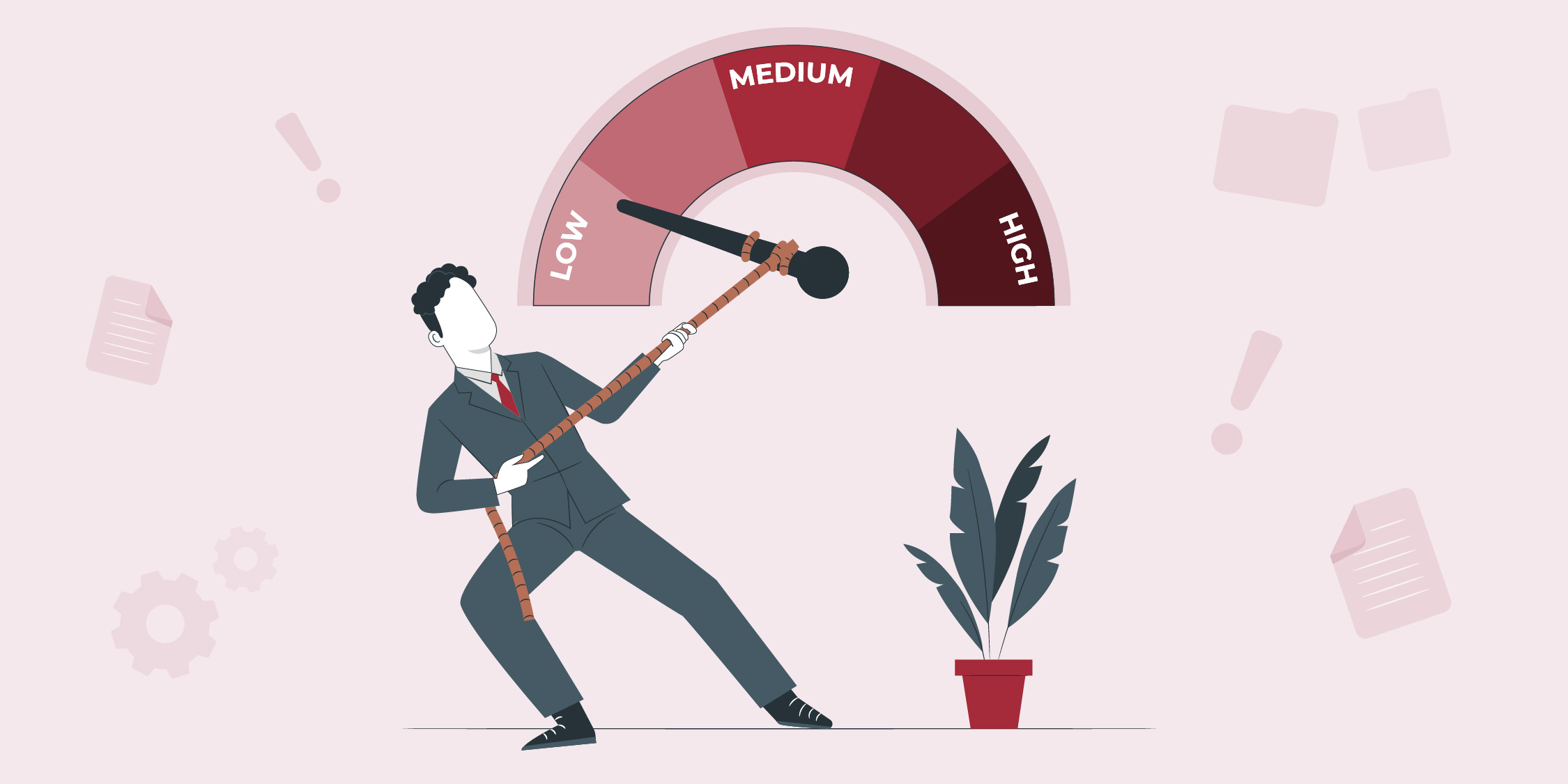
Risk data is rarely centralized. It is spread across spreadsheets, business systems, emails, and multiple tools owned by different teams. Each function maintains its own version of risk, often without alignment. Before taking action, teams must reconcile data and validate accuracy. This delay reduces clarity and slows decision-making at every stage.
Key Takeaways
Execution Gaps in Risk Management
Risks are often identified without clear ownership. Responsibility may be shared, undefined, or inconsistently applied across teams. When accountability is not visible, mitigation actions are delayed and follow-ups become inconsistent. Effective risk management requires clearly assigned ownership for every control and action.
Manual Processes Slow Down Operations
Many organizations still rely on manual processes for risk identification, assessment, and reporting. These processes introduce delays, increase the likelihood of errors, and do not scale as risk complexity grows. Over time, manual systems become bottlenecks that slow execution.
Risk Registers Without Execution
Maintaining a risk register is common practice, but it often stops at documentation. Risks are logged and categorized, but not translated into structured actions. Without defined workflows, timelines, and tracking mechanisms, risks remain open longer than necessary.
Delayed Reporting Cycles
Risk management often depends on periodic reporting cycles. By the time reports are compiled, underlying data may already be outdated. This creates a disconnect between actual risk conditions and reported insights, limiting timely response.
Limited Visibility Across Teams
Leadership teams often lack a real-time view of risk exposure. Reports provide summaries but do not reflect live conditions. Without continuous visibility, decisions are delayed and risks are addressed only after escalation.
Organizational and Structural Barriers
Risk management intersects with compliance, audits, and operations, yet these functions often operate in silos. Each team manages its own processes and data, leading to duplication and inconsistencies. This lack of integration slows coordination and creates confusion.
Third-Party Risk Complexity
Organizations rely heavily on vendors and external partners. While this increases capability, it also introduces risks that are harder to monitor. Limited visibility and periodic assessments create blind spots and slow response times.
Cultural Barriers in Risk Management
Risk management is often viewed as the responsibility of a single team rather than a shared organizational function. This limits engagement and reduces early risk identification. Without a risk-aware culture, mitigation efforts are delayed.
Process and System Limitations
Risk scoring models are often static and fail to reflect real-time changes. This leads to misaligned focus, where less critical risks receive attention while higher-impact risks are delayed.
Disconnected Systems Slow Data Flow
Risk management depends on data from multiple systems, but these systems are rarely integrated. Manual consolidation takes time and introduces errors, slowing the entire lifecycle.
Over-Reliance on Periodic Reviews
Scheduled risk reviews provide structure, but they do not capture the continuous nature of risk. Between review cycles, risks evolve and important changes may go unnoticed.
Lack of Real-Time Monitoring
Real-time monitoring is still not widely adopted. Many teams rely on static dashboards or delayed updates, making it harder to detect and address risks early.
Technology and Innovation Gaps
Advanced tools for risk management exist, but adoption varies. Some organizations leverage automation and analytics effectively, while others rely on legacy systems. This creates gaps in speed and visibility.
Missed Opportunities for Insight
AI has the potential to improve risk management by identifying patterns and surfacing insights. However, most organizations are still in early stages of adoption, limiting its impact on decision-making.
Slow Reporting Processes
Reporting often takes too long due to data collection and validation efforts. By the time reports are ready, they may no longer reflect current conditions, reducing their usefulness.
Book a demo to see how VComply helps teams operationalize governance, risk, and compliance with greater clarity and accountability.
Final Thought
Risk management slows down when it is fragmented, manual, and unclear. It becomes effective when it is structured, visible, and owned. The organizations that move faster are those that can act on risk with clarity and consistency, every day.
Frequently Asked Questions (FAQs)
1. Why does risk management slow down in modern organizations?
Risk management slows down mainly due to fragmented data, manual processes, and lack of clear ownership. Even when risks are identified, execution delays prevent timely mitigation.
2. What is the biggest gap in risk management today?
The biggest gap is between identifying risks and taking action. Many organizations maintain risk registers, but lack structured workflows to track mitigation and ensure completion.
3. How does lack of visibility impact risk management?
Without real-time visibility, leadership relies on outdated reports. This delays decisions and causes risks to be addressed only after they escalate.
4. Why are manual processes a problem in risk management?
Manual processes slow down updates, increase errors, and make it difficult to scale as risk volume grows. They create bottlenecks across identification, assessment, and reporting.
5. How can organizations improve the speed of risk management?
By centralizing data, defining clear ownership, automating workflows, and enabling real-time visibility, organizations can move from reactive tracking to consistent and faster execution.