

Understanding the Role of Risk Management and Internal Audit
Internal audit is an independent review of an organization’s operations, systems, and controls. Its main goal is to ensure transparency, compliance, and protect the company’s assets. Internal audits look for weaknesses or inefficiencies in processes and provide practical recommendations to improve them. A successful audit ensures that risks are properly managed and that operations align with company goals and regulatory standards.
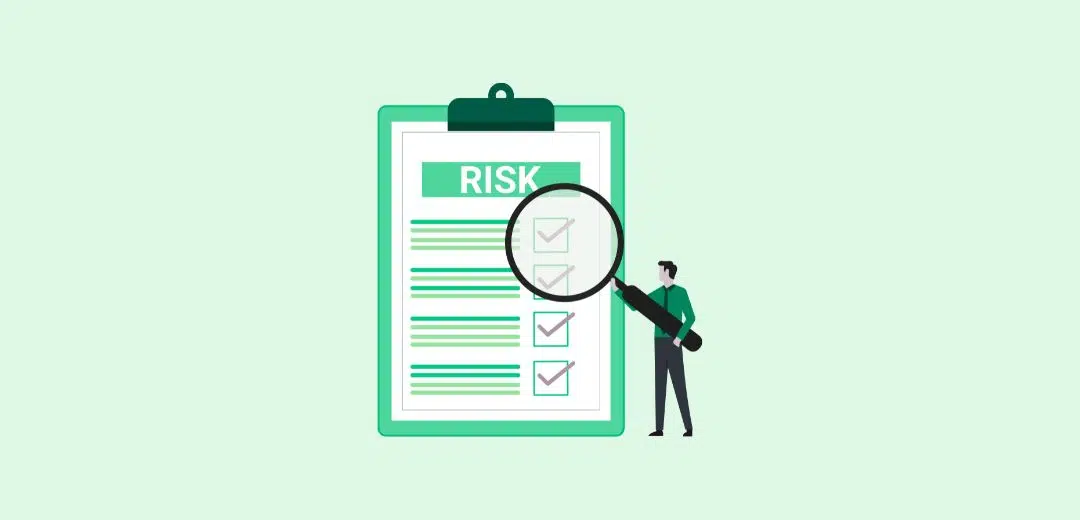
Every organization faces risk. Some risks come from changing regulations, cyber threats, vendor failures, operational gaps, financial controls, or employee actions. Others come from weak processes, unclear ownership, outdated policies, or controls that are not working as intended. The role of risk management is to identify and reduce these risks before they harm the business. The role of internal audit is to independently review whether those risk management processes, controls, and governance practices are actually effective.
In 2026, internal audit and risk management can no longer operate as separate functions. Boards, regulators, executives, and customers expect organizations to show that risks are being identified, controls are being tested, findings are being remediated, and evidence is available when needed. This makes internal audit a critical partner in risk management. It helps organizations move beyond assumptions and provides assurance that risks are understood, monitored, and addressed.
A strong internal audit function does more than check whether policies exist. It reviews how processes work in practice, whether controls are being followed, whether risks are being escalated, and whether corrective actions are completed. When internal audit and risk management work together, organizations gain better visibility, stronger accountability, and greater confidence in their compliance posture.
Key Takeaways (TL;DR)
- Examine the purpose of risk management and internal audits, the strategies used to mitigate risk
- Understand the importance of audits in the risk management process.
- Explore the benefits of internal audits, the process involved, and best practices for effective risk management.
What is Internal Audit?
Internal audit is an independent and objective review of an organization’s operations, systems, processes, controls, and governance practices. Its purpose is to evaluate whether the organization is managing risk effectively, following applicable requirements, and operating in line with business objectives.
Internal audits help organizations identify weaknesses before they become serious issues. These weaknesses may relate to compliance gaps, control failures, operational inefficiencies, cybersecurity risks, poor documentation, or lack of accountability.
A successful internal audit provides practical recommendations that help the business improve. It does not only identify what went wrong. It helps explain why the issue exists, what risk it creates, and how the organization can fix it.
Read: Internal Audit and Compliance Management Software Tools
Now that we have defined internal audit, let’s explore the essential principles that guide the internal audit process, the 5 Cs of an internal audit.
The 5 Cs of an Internal Audit
The 5 Cs of internal auditing are key principles that promise audits are thorough, reliable, and effective. They are as follows.
The 5 Cs provide a useful way to understand what internal audit contributes to the organization.
1. Control Evaluation
Internal auditors assess whether the organization’s controls are properly designed and operating effectively. These controls may include approvals, access restrictions, reconciliations, monitoring activities, documentation requirements, or review processes.
The goal is to determine whether controls are strong enough to prevent, detect, or correct errors, fraud, non-compliance, or operational failures.
2. Compliance
Internal audit reviews whether the organization is following laws, regulations, industry standards, internal policies, and contractual obligations. This helps reduce exposure to penalties, legal issues, reputational damage, and audit findings.
Compliance audits are especially important in regulated industries where organizations must prove that policies, controls, training, and evidence are actively maintained.
3. Consultation
Internal audit also plays an advisory role. Auditors often help management improve processes, strengthen controls, reduce inefficiencies, and prepare for emerging risks.
This consultative role is valuable because auditors see patterns across departments and can recommend improvements that support long-term resilience.
Read: How do internal controls help in risk management?
4. Collaboration
Internal auditors work with risk, compliance, IT, finance, HR, operations, legal, and business teams to understand how work is actually performed. Collaboration helps auditors gather better evidence, understand root causes, and recommend realistic improvements.
Internal audit should remain independent, but effective audits require strong communication with the teams being reviewed.
5. Communication
Audit findings must be clear, practical, and actionable. A strong audit report explains the issue, risk, root cause, impact, recommendation, owner, and remediation timeline.
Good communication ensures that leadership understands the risk and that teams know what needs to change.
With a clear understanding of the 5 Cs, let’s explore the concept of risk management, which plays a critical role in guiding the audit process.

What is Risk Management?
Risk management is the process of identifying, assessing, and mitigating potential risks that could harm an organization’s assets, operations, or reputation. The goal is to minimize the likelihood of adverse events occurring and to manage the impact if they do. Risk management encompasses a wide range of activities, from checking compliance with laws to safeguarding against operational failures. Effective risk management helps organizations achieve their objectives by making informed decisions and developing strategies to deal with uncertainty.
Read: What are the Features of Risk, Compliance, and Audit Management Software?
These risks may include:
- Operational risks
- Compliance risks
- Financial risks
- Cybersecurity risks
- Third-party risks
- Strategic risks
- Reputational risks
- Legal risks
- Data privacy risks
- Business continuity risks
The goal of risk management is not to eliminate every risk. That is not possible. The goal is to understand which risks matter most, how serious they are, who owns them, what controls exist, and what actions are needed to reduce exposure.
Now that we understand the fundamentals of risk management, let’s look at its key components to see how each part works together to manage risks effectively.
Risk Management Key Components
Risk management involves more than just identifying risks; it’s a multifaceted process. These components, from identification to monitoring, help create a structured approach to managing risks effectively. Here’s a closer look at each key element that plays a vital role in mitigating business risks.
- Risk Identification: Recognizing the potential risks that could affect the business.
- Risk Assessment: Evaluating the likelihood and impact of identified risks.
- Risk Control: Implementing measures to minimize or eliminate the impact of risks.
- Monitoring: Continuously tracking risk indicators and guaranteeing that controls are effective.
- Risk Communication: Reporting on risks and the actions taken to mitigate them to key stakeholders.
Read: Audit Procedures: Understanding Methods and Internal Controls
Understanding the key components of risk management helps clarify how internal audit and risk management differ, let’s explore this distinction next.
Internal Audit vs Risk Management
While both internal audits and risk management aim to safeguard business operations, they focus on different aspects. Let’s explore the differences and how integrating both approaches strengthens the organization’s risk response.
| Aspect | Internal Audit | Risk Management |
| Primary Goal | Evaluate and improve the effectiveness of controls and processes. | Identify, assess, and mitigate risks to minimize negative impacts. |
| Focus Area | Processes, controls, compliance, and governance. | Potential risks and their mitigation strategies. |
| Scope | Internal operations, reporting, and compliance. | Broader, focusing on external and internal risks. |
| Methods | Evaluates existing processes, tests controls, and identifies inefficiencies. | Analyzes risk likelihood, impact, and devises strategies for mitigation. |
| Outcome | Detailed audit reports highlighting weaknesses and offering corrective actions. | Risk management plans, policies, and procedures to reduce potential risks. |
| Timing | Performed periodically, often annually or quarterly. | Ongoing, continuous process that adapts as new risks arise. |
Now that we’ve compared internal audit and risk management, let’s examine how internal audit plays a crucial role in improving the effectiveness of risk management.
The Role of Internal Audit in Risk Management
Internal audits help ensure that the company’s risk strategies align with business objectives by reviewing processes and controls. Now, let’s examine how internal audits specifically contribute to the overall risk management process.
1. Assessing Risk Management Processes
Internal auditors evaluate whether risks are properly identified and managed, verifying that risk management strategies are effective and align with the organization’s goals.
2. Identifying Key Risks
Auditors pinpoint high-risk areas within operations, helping organizations proactively address potential threats before they escalate.
3. Evaluating Risk Mitigation Strategies
Internal audits assess the effectiveness of mitigation efforts, identifying gaps and providing recommendations to strengthen controls and minimize risk exposure.
4. Providing Independent Assurance
Internal audits confirm that risk management processes are functioning as intended by offering independent assessments, maintaining confidence in the organization’s risk controls.
5. Improving Risk Awareness Across the Organization
Internal auditors promote risk awareness throughout the organization, guaranteeing that employees at all levels understand and align with risk management strategies.
Read: Review of The Top 3 Internal Audit Management Software Systems in 2025
With a clear understanding of internal audit’s role in risk management, let’s now explore best practices for successfully integrating internal audit within risk management strategies.
Best Practices for Integration of Internal Audit in Risk Management
For internal audits and risk management to work together, it’s essential to align objectives, improve communication, and use technology. Here are some key practices that will help successfully integrate internal audits into your risk management efforts.
1. Align Objectives
Align the objectives of internal audit and risk management with the organization’s overall goals. This ensures that both departments work towards a common purpose, reducing redundancy and optimizing resources. Alignment also helps focus efforts on areas that will deliver the most value to the business.
2. Collaborate Effectively
Encourage open and regular communication between the internal audit team and risk managers. This collaboration means that risks are properly identified, assessed, and mitigated, while both teams stay informed of changes that could impact the business. Effective collaboration leads to a more cohesive and proactive approach to risk management.
3. Develop a Risk-Based Audit Plan
Design the audit plan based on the specific risks identified by the risk management team. By focusing on high-priority risks, the audit plan maximizes the use of resources and ensures that critical areas are assessed first. This targeted approach enables more impactful audits.
Read: 5 Ways Internal Audits Can Go Beyond Spreadsheets
4. Utilize Technology
Advanced tools contribute to the success of risk identification and auditing processes by enabling instant monitoring. Solutions like VComply’s RiskOps and ComplianceOps help with risk management and auditing, improving tracking, reporting, and decision-making. These tools ensure that risks are detected early and handled swiftly.
5. Continuous Monitoring and Feedback
Establish systems for ongoing risk monitoring and continuous feedback. Regular updates allow internal audits and risk management strategies to scale and adapt as new risks emerge. This dynamic approach helps organizations stay ahead of potential issues, guaranteeing that both risk management and auditing efforts remain effective.
Let’s examine examples of internal audit activities in risk management to better understand how these best practices work in real-life scenarios.
Examples of Internal Audit Activities in Risk Management
Internal audits contribute significantly to risk management through specific activities, such as assessing internal controls and evaluating cybersecurity risks. Let’s go over some examples that show how internal audits are applied in managing risk within organizations.
Example 1: Assessing Internal Controls in Operational Reporting
An internal audit team may assess the effectiveness of internal controls designed to ensure that operational processes are accurate and comply with regulatory standards. This might involve verifying that procedures are followed correctly and that proper documentation is maintained. This helps mitigate risks associated with operational inefficiencies and non-compliance.
Read: Evaluating Types of Internal Control Deficiencies in Audits
Example 2: Evaluating Cybersecurity Risks and Controls
An internal audit may evaluate the effectiveness of an organization’s cybersecurity policies and procedures. This could involve reviewing how data breaches are managed, assessing the company’s preparedness to prevent cyberattacks, and checking if all regulatory requirements for cybersecurity are met. Auditors can recommend improvements to mitigate cyber risk.
Example 3: Conducting a Compliance Audit for Business Operations
A company’s internal audit team might conduct a compliance audit to assess whether business operations adhere to established compliance standards. For example, auditors may review how processes are carried out, whether proper documentation is maintained, and if any discrepancies are present. By performing this audit, the company can identify weaknesses in its internal controls, ensuring that operations are conducted efficiently and in compliance with relevant regulations. This helps manage operational risk and improve compliance with industry standards.
Having explored real-world examples, let’s examine the step-by-step process involved in conducting internal audits for effective risk management.
A Step-by-Step Guide to Internal Audit for Risk Management
Conducting an internal audit for risk management requires a structured approach. Here’s a step-by-step breakdown to guide you through the process effectively.
1. Establish Criteria for the Audit
Determine the key risks and areas that need to be evaluated in the audit. Clearly defining these areas confirms that the audit remains focused on the most important risks. It also aligns the audit with the organization’s strategic priorities and helps in addressing potential vulnerabilities before they escalate.
2. Plan and Develop an Audit Program
Create a detailed audit plan that outlines the scope, methods, and timeline. This plan should define the key objectives and deliverables, covering every critical area. A well-organized audit program helps identify risks comprehensively and ensures all necessary steps are taken to avoid overlooking critical issues.
3. Determine Audit Frequency
Establish how often audits should be conducted based on the organization’s risk profile. Regular audits of high-risk areas allow the company to maintain tight control over critical operations. For lower-risk areas, less frequent audits may be appropriate, allowing resources to be allocated where they are most needed.
4. Notify Departments and Provide Necessary Information
Communicate with relevant departments about the audit process, scope, and the data needed. This certifies that all departments are aware of their role and expectations, making it easier to access important information. Early communication reduces delays, prevents resistance, and improves cooperation throughout the process.
5. Perform Field Work and Interview Team Members
Carry out the audit by reviewing records, conducting interviews, and testing internal controls. Direct engagement with team members provides insights into how policies are being followed in practice. This phase is crucial for gathering qualitative and quantitative evidence to assess the effectiveness of current risk management practices.
6. Record Results and Report Findings
Document all findings clearly, highlighting identified risks and weaknesses. A structured and comprehensive report makes sure that key issues are communicated effectively to management. This allows for actionable insights and serves as a foundation for implementing corrective actions.
7. Implement Recommended Corrective Actions
Implement solutions to mitigate risks to address the audit’s findings. This can involve adjusting processes, strengthening internal controls, or introducing new policies. Timely and appropriate corrective actions minimize future risks and improve the organization’s overall resilience.
8. Audit the Audit
Evaluate the audit process itself to confirm it was effective and thorough. This post-audit review helps identify any gaps in the process and areas for improvement. Regular self-assessment of the audit process allows for continuous refinement, so that each audit is more accurate than the last.
Read: 4 Steps to Conducting a Successful Internal Audit
Now that we have a clear audit process in place, let’s explore how VComply can support both internal audit and risk management tasks.
How VComply Helps with Risk Management and Internal Audit
VComply offers a comprehensive platform that simplifies risk management and internal audit processes so that your organization remains compliant. By automating workflows and providing immediate collaboration, VComply benefits both risk management and internal audit functions, enabling better decision-making and stronger control over critical processes.
1. Effortless Compliance Management with ComplianceOps
ComplianceOps helps manage regulatory and control compliance, field audits, and reporting. It makes certain that the organization adheres to all applicable regulations and standards, providing a workflow for conducting audits and generating compliance reports.
2. Automate Risk Programs with RiskOps
VComply’s RiskOps helps automate and scale risk management programs. It enables teams to assess and quantify risks, so that risk mitigation efforts are proactive and comprehensive, with continuous tracking of risk exposure.
3. Live Risk Assessment and Reporting
VComply provides powerful reporting and dashboards to track risk management and audit performance. This helps teams make data-driven decisions, making sure that audit findings and risk management activities are always visible and actionable.
4. Audit Trail and Documentation
VComply automatically maintains an audit trail for all risk management and internal audit activities. This offers transparency and allows teams to trace decisions and actions taken, facilitating better reporting and accountability in audits.
5. Integrated Workflow Management
The platform integrates risk management tasks with workflow management, facilitating processes like risk assessments, audit planning, and corrective action tracking. This helps internal auditors plan audits and manage tasks, improving the effectiveness of the audit process.
6. Continuous Monitoring and Alerts
VComply offers 24/7 risk monitoring and sends alerts when new risks are identified or if existing risks escalate. This means that risk management teams can take proactive steps to mitigate risks before they impact operations.
Curious to see how VComply can transform your risk management and audit workflows? Start your free demo today and explore how we can help you stay on top of compliance and automate risk programs.
Conclusion
Understanding the role of internal audits and risk management is critical for any organization striving for compliance and long-term success. By identifying risks early, assessing their impact, and integrating effective audit practices, organizations can be certain they remain resilient in the face of potential challenges. A solid risk management audit framework, supported by continuous internal audits, is key to building a well-governed business.
By utilizing tools like VComply’s ComplianceOps and RiskOps, businesses can manage both risk management and internal audits, guaranteeing smoother processes and better compliance. Integrating both practices means that your business stays protected and compliant. Start today with a free trial and see how VComply can simplify your compliance and risk management tasks, keeping your organization on track and secure.
Frequently Asked Questions