

Best Policy Management Software for Non-Profits for 2026
Nonprofits operate with limited staff, tight budgets, and increasing compliance demands, all while juggling remote teams, volunteers, and board oversight.

According to a 2023 survey by the National Council of Nonprofits, 74.6% of nonprofits reported job vacancies, leaving many organizations without the capacity to maintain or update policies properly.
With policies scattered across shared drives, outdated PDFs, and email threads, nonprofits often struggle to stay compliant, document approvals, or ensure staff and volunteers read and follow the right procedures. These gaps can create audit issues, jeopardize funding, and slow down mission-critical work.
Policy management software helps nonprofits centralize documents, automate updates, track acknowledgments, and stay audit-ready without adding administrative burden.
In this guide, read the top best nonprofit policy management software for 2026, the features that matter most, and how to choose a solution that fits your organization’s size, staffing capacity, and compliance needs.
At a Glance
- Nonprofits face growing compliance, staffing, and documentation challenges that make policy centralization essential.
- Modern software for nonprofit organizations simplifies policy creation, version control, audits, and staff acknowledgment tracking.
- The best policy management software for non-profits offers cloud-based access, automation, reporting, and collaboration tools suitable for organizations of all sizes.
- Key factors to evaluate include affordability, security, user experience, integration, and scalability.
- Choosing the right platform helps nonprofits stay compliant, improve governance, and reduce administrative burden.
What is Policy Management Software?
Policy management software helps companies efficiently create, manage, store, and track policies and procedures in one centralized system. For nonprofit organizations, this becomes particularly crucial, which is why many are now adopting software for nonprofit organizations that simplifies compliance and reduces administrative overhead.
A modern solution ensures that policies are consistently aligned with both internal standards and external regulations. As compliance demands grow, choosing the best policy management software for non-profits enables teams to maintain transparency, ethical conduct, and better governance at scale.
Essential Policies Nonprofits Must Maintain
Nonprofits need to maintain a variety of policies to ensure transparency, ethical conduct, and proper governance. Some of these essential policies include:
- Conflict of Interest Policy: Outlines procedures for identifying and managing situations where personal interests could interfere with the organization’s decisions. It helps prevent unethical behavior and maintain public trust.
- Financial Management and Accountability Policy: Establishes how financial resources should be handled, including budgeting, expense approvals, audits, and reporting. Ensures responsible use of funds and compliance with donor and legal requirements.
- Anti-Discrimination and Equal Opportunity Policy: This policy affirms the organization’s commitment to a fair, inclusive environment and prohibits discrimination based on race, gender, religion, disability, and other protected characteristics in employment and service delivery.
- Data Privacy and Security Policy: Details how personal and organizational data must be collected, stored, and protected. This is crucial for safeguarding sensitive information and complying with data protection laws such as GDPR or HIPAA.
- Whistleblower Protection Policy: Encourages employees and volunteers to report misconduct without fear of retaliation. Provides clear procedures for reporting and investigating concerns while protecting the identity of the whistleblower.
- Volunteer and Staff Code of Conduct: Outlines expected behaviors and responsibilities for anyone representing the organization. Helps maintain a safe, respectful, and mission-driven environment.
- Health and Safety Policy: Defines protocols for maintaining a safe workplace or service environment. Covers risk assessments, emergency procedures, and compliance with occupational health standards.
A policy management software ensures that these policies are consistently aligned with both internal standards and external regulations.

How does Nonprofit Policy Management Software Help
Nonprofit Policy Management Software simplifies the policy lifecycle, making it easier for nonprofits to maintain compliance while improving operational efficiency. Here’s a closer look at its advantages:
- Improves Organizational Efficiency: Streamlined workflows for policy creation, review, and distribution increase overall productivity and reduce the risk of errors.
- Facilitates Remote Work: As remote work becomes more prevalent, policy management software helps nonprofits keep teams aligned and informed, no matter where they are.
- Enhances Transparency and Accountability: Having policies that are readily accessible and easy to manage improves transparency and fosters trust with stakeholders, donors, and the community.
With these benefits in mind, it’s crucial to understand which features to look for in policy management software. Let’s explore the key features that can help nonprofits achieve better compliance and efficiency in their operations.
Read: Top 5 Nonprofit Compliance Mistakes and How to Avoid Them
Top 5 Policy Management Software for Nonprofits in 2026
In 2026, nonprofit organizations face increasing regulatory demands and the need for efficient policy management. Selecting the right software can refine compliance, enhance governance, and reduce administrative burdens. Below are some of the leading policy management solutions tailored for nonprofits:
1. VComply
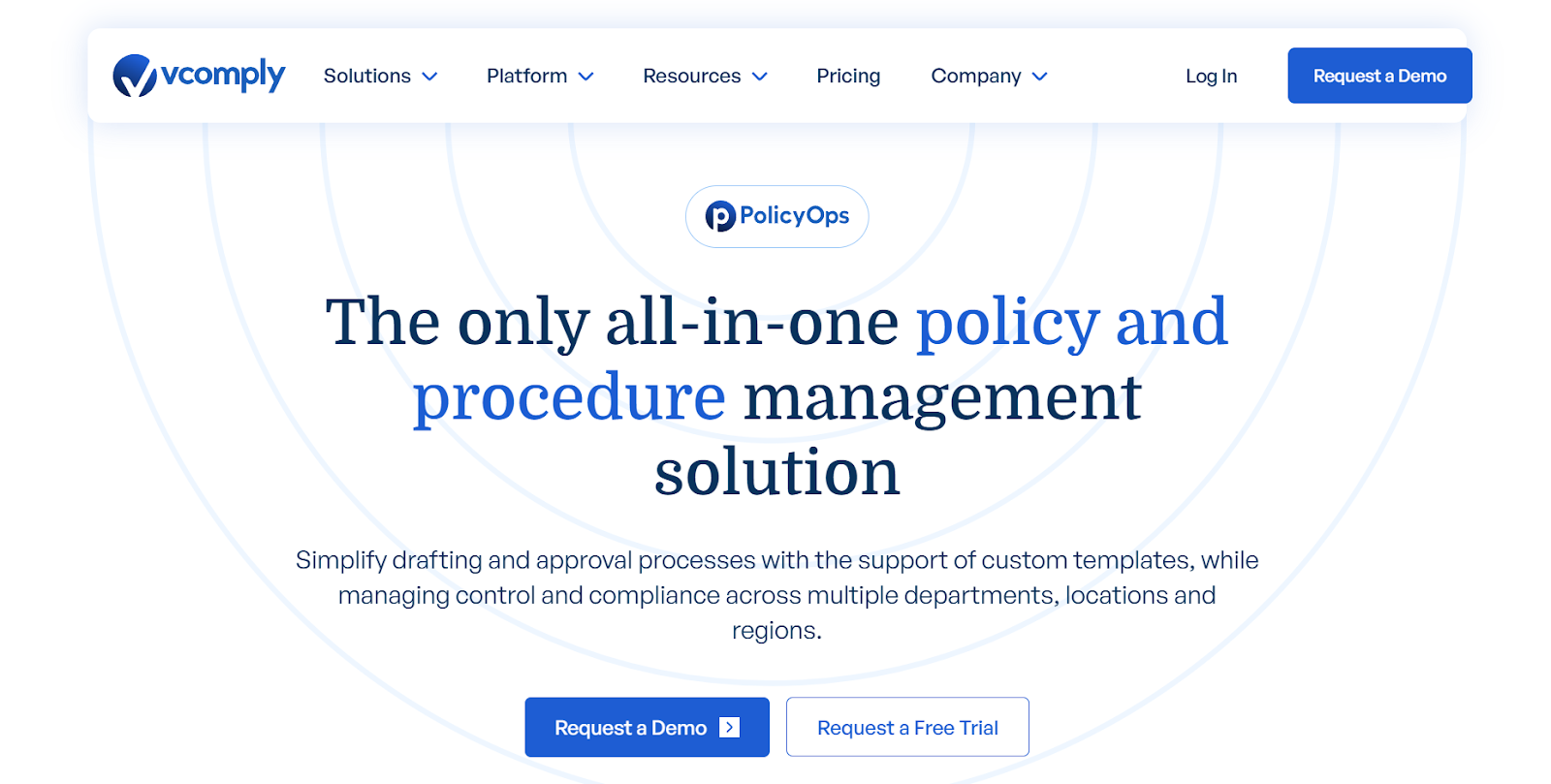
VComply offers a comprehensive, cloud-based solution designed to help nonprofits manage policies and procedures with ease. Its intuitive interface and scalability make it ideal for organizations of all sizes, from small community groups to large, multi-department institutions.
Key Features:
- AI in Policy Drafting: Uses artificial intelligence to suggest content based on industry best practices and regulatory requirements, enabling faster and more accurate policy creation.
- Pre-built Policy Templates: Provides a library of templates covering a range of nonprofit-specific needs, making it easy to create compliant and professional policies without starting from scratch.
- Version Control: Tracks revisions and updates, ensuring all departments use the most current versions of policies, helping maintain consistency and compliance.
- Compliance Tracking: Keeps policies aligned with regulatory requirements and internal standards, minimizing the risk of non-compliance and ensuring continuous adherence to evolving laws.
- Attestation: Enables employees to attest to having read and understood each policy, providing clear documentation of engagement and compliance.
- AI-Based Policy Training: AI-driven tools are used to educate staff on new policies, reduce errors, and ensure adherence through personalized, up-to-date training modules.
- Collaboration: Facilitates real-time collaboration among teams, making policy creation and updates more inclusive and efficient with input from key stakeholders.
- Visibility: The platform offers real-time reporting tools to track policy statuses, ensuring streamlined audits and updates. It also provides full visibility into who has reviewed or attested to policies, ensuring accountability and transparency.
Pricing: VComply offers flexible pricing based on the organization’s size and requirements. For more details, organizations can reach out directly for a personalized quote. You can also opt for a 21-day free trial to test the platform for your needs.
2. DocTract

DocTract is a cloud-based policy management software that simplifies the creation, distribution, and tracking of policies for nonprofits. It centralizes policy management and automates tasks like attestation tracking, ensuring that organizations remain compliant with minimal effort.
Key Features:
- Centralized Policy Hub: Stores and organizes all policies in one secure location.
- Automated Workflow Engine: Automates policy review, approval, and distribution processes.
- Simplified Attestation Tracking: Tracks policy acknowledgment with automated notifications.
- One-Click Compliance & Audit Packages: Effortlessly generates audit-ready documentation.
- AI-Powered Policy Management: Enhances policy drafting and management with AI-driven tools.
Pricing: DocTract offers custom pricing based on organization size. Contact the provider for tailored pricing details and to request a demo.
3. PowerDMS
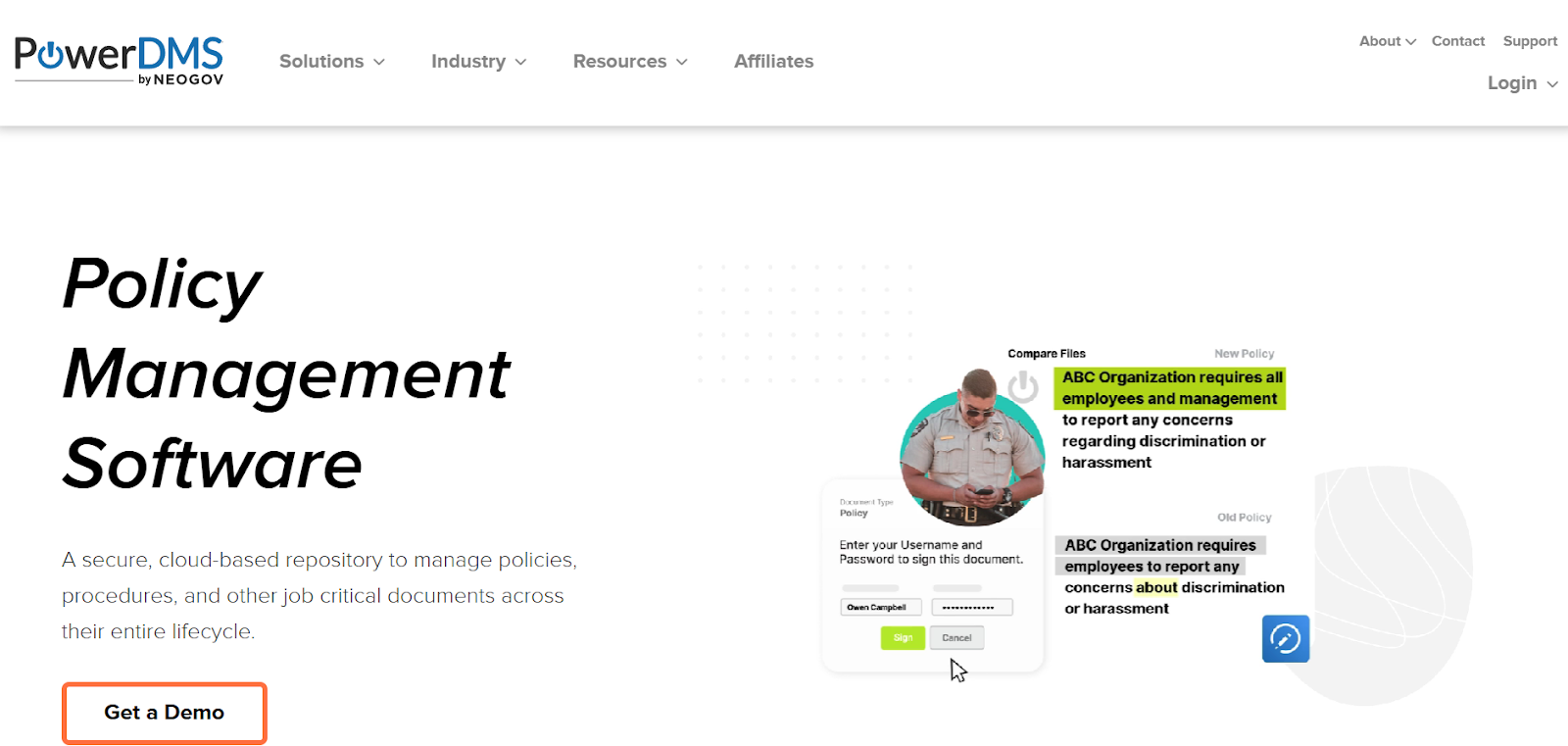
PowerDMS specializes in policy management and compliance tracking, making it an ideal choice for nonprofits that require seamless integration with training systems. It ensures secure document storage, version control, and generates compliance reports, helping organizations stay audit-ready. However, PowerDMS can be costly for smaller nonprofits due to its pricing structure.
Key Features:
- Document Storage: Securely stores all policies and other documents.
- Version Control: Tracks changes and updates to policy documents.
- eLearning Integration: Integrates with training systems for continuous learning and policy adherence.
- Audit-Ready Reporting: Generates reports to demonstrate ongoing compliance.
Pricing: PowerDMS offers custom pricing based on organizational size and specific needs. For more information, you can reach out for a demo or quote.
4. Xoralia

Xoralia offers a comprehensive policy management solution for nonprofits, featuring centralized policy libraries and automated notifications. Its compliance tracking and dashboard features help monitor adherence to regulations. Xoralia reduces administrative burden and makes compliance easy, although it may require additional customization for specific organizational needs.
Key Features:
- Centralized Policy Library: Stores all policies in a secure, easily accessible location.
- Automated Notifications: Ensures timely task completion and policy acknowledgment.
- Compliance Tracking: Monitors adherence to internal and regulatory standards.
- Dashboards for Tracking: Provides easy-to-use dashboards to monitor policy compliance.
Pricing: Xoralia offers a free plan that offers limited features. They also provide premium plans tailored to each nonprofit’s needs. Reach out to their team for a demo and pricing details.
5. PolicyTech by NAVEX
PolicyTech by NAVEX is a comprehensive policy management solution that is designed to help nonprofits streamline the creation, distribution, and tracking of policies. Its compliance-focused platform simplifies policy management while ensuring that nonprofits adhere to regulatory requirements.
Key Features:
- Policy Creation and Distribution: Facilitates the easy creation and distribution of policies across the organization.
- Audit Trails and Compliance Reporting: Tracks changes and maintains records for audit purposes, helping nonprofits stay compliant with regulations.
- User-friendly interface: Offers a simple and intuitive interface for policy management.
- Centralized Policy Repository: Stores all policies in one secure location for quick access and organization-wide consistency.
- Automated Notifications: Sends automatic notifications to users regarding new policy updates.
Pricing: The pricing for PolicyTech by NAVEX is customized based on the organization’s size and specific needs. It also offers a free demo to help organizations explore its features and assess whether it aligns with their compliance needs. You can directly reach out to their team for the same.
Top Features to Look for in Nonprofit Policy Management Software

When choosing policy management software for your nonprofit, these are the key features to look for to ensure it meets your organization’s needs.
- Document Management Capabilities: A robust document management system allows you to store, organize, and search policies and other important documents in one central location. This makes it easier to access the right documents at the right time.
- Version Control and Tracking: Version control allows you to track changes made to policies over time, ensuring that outdated policies are never used by mistake. This feature also helps ensure that compliance standards are met and easily auditable.
- Automated Approval Workflows: Policy creation and updates often require input and approval from multiple stakeholders. Automated workflows help streamline the approval process, reduce delays, and ensure that all necessary parties are involved.
- Collaboration Tools for Remote Teams: Nonprofits with remote teams or decentralized operations will benefit from collaboration tools that allow stakeholders to collaborate on policies in real-time, regardless of location.
- Reporting and Analytics Features: Reporting tools provide valuable insights into policy adherence, compliance status, and overall organizational performance. Analytics also help organizations identify areas for improvement in their policy management processes.
With a solid understanding of the essential features to look for, let’s look into some of the top policy management software options available for nonprofits in 2026.
Read: Four Mistakes to Avoid While Implementing Policy Management
Benefits of Using Policy Management Software in Nonprofits
Using policy management software offers a range of benefits that can help nonprofits enhance their operations and ensure compliance with regulations:
- Improved Organizational Efficiency and Productivity
Cloud-based software for nonprofit organizations provides centralized access, real-time version control, and automated workflows that reduce manual work.
- Enhanced Compliance and Risk Management
Enhanced compliance and risk management become easier when nonprofits rely on the best policy management software for non-profits, which tracks attestations, updates, and regulatory changes automatically. These help nonprofits stay aligned with industry standards, reducing the risk of non-compliance penalties.
- Improved Decision-Making and Governance
With easy access to real-time data, leadership can make more informed decisions about organizational strategies and policy updates.
- Increased Stakeholder Confidence
Transparency also improves, as stakeholders trust organizations that maintain documented, consistent policies, something today’s advanced software for nonprofit organizations makes effortless.
Now, let’s explore the key criteria for selecting the best solution that fits your organization’s unique needs.
Read: Risk Management 101: The Essential Guide for Nonprofits
Criteria for Selecting the Best Policy Management Software for Nonprofits
When evaluating nonprofit policy management software, several key factors should be taken into consideration. The best solution should align with the nonprofit’s specific needs, goals, and budget while offering flexibility, scalability, and robust features.
- Ease of Use and Accessibility: The software should have a user-friendly interface that is intuitive for both technical and non-technical users. Nonprofits typically have limited resources, so ease of use is essential to ensure quick adoption by all stakeholders.
- Affordability and Cost-Effectiveness: Nonprofits often operate on tight budgets, so it’s essential to choose software that offers a good balance of features and cost. Some solutions provide nonprofit-specific pricing, making them more affordable for smaller organizations.
- Customization and Scalability: As your nonprofit grows, your policy management needs will evolve. Look for software that can scale with your organization’s growth and can be tailored to your specific operational needs.
- Integration with Existing Systems: Integrating with other software systems, such as document management tools, donor management systems, or HR software, will enhance the nonprofit’s efficiency and minimize manual data entry.
- Security and Compliance Capabilities: Security is crucial, especially when handling sensitive data. Ensure that the software meets industry standards for data protection and can help your nonprofit remain compliant with regulations like GDPR or HIPAA.
With these criteria in mind, you’ll be well-positioned to choose the right policy management software for your nonprofit.
Challenges and Considerations in Implementing Policy Management Software
Implementing policy management software within nonprofit organizations comes with its share of challenges, but addressing them upfront can pave the way for a smoother adoption process. Here are key considerations:
- Initial Setup and Training Requirements: Adopting new software often requires substantial time and effort to set up, especially for organizations with limited technical resources. Staff must undergo training to ensure they understand how to use the platform effectively, which can initially slow down workflows.
- Resistance to Change Within Organizations: Many nonprofits still rely on traditional or manual processes. Shifting to digital tools can be met with resistance, particularly from employees who are comfortable with existing practices. Overcoming this resistance requires clear communication and buy-in from leadership, as well as tailored training for all staff levels.
- Cost and Budget Constraints: While policy management software offers significant benefits, the initial cost can be a challenge for nonprofits with tight budgets. Choosing the right software that balances functionality with affordability is crucial. Nonprofits should also consider pricing models that offer flexibility, such as non-profit discounts or scalable pricing based on organization size.
- Ensuring Continued Technical Support: Ongoing support is essential to ensure that issues are resolved quickly and to minimize disruptions in policy management. Nonprofits should prioritize software providers that offer reliable customer service and technical assistance, as these services can help avoid operational delays.
By recognizing these challenges early on and planning accordingly, nonprofits can ensure a smoother implementation of their policy management software.
Read: Understanding the Importance and Purpose of Policies in the Workplace
Future Trends in Nonprofit Policy Management Software
As technology advances, nonprofit policy management software continues to evolve, offering more efficient ways for organizations to manage their policies and remain compliant with regulations. Looking ahead to 2026 and beyond, here are some key trends shaping the future of nonprofit policy management:
- Adoption of Artificial Intelligence and Machine Learning
AI and machine learning will play a significant role in automating routine compliance tasks and providing actionable insights, helping nonprofits simplify their policy management processes and stay ahead of regulatory changes. - Innovations in Cloud Technology and Remote Accessibility
With the rise of remote work, cloud-based solutions will become even more essential. These systems will offer nonprofits greater flexibility, allowing them to manage policies and compliance from anywhere, ensuring seamless collaboration across distributed teams.
- Growing Importance of Data Security and Privacy
As data protection laws continue to tighten, nonprofits will prioritize software solutions that offer enhanced security measures, ensuring that sensitive data is protected and that they stay compliant with regulations like GDPR and HIPAA. - Emphasis on User Experience and Interface Design
Nonprofits will increasingly choose software with intuitive, easy-to-use interfaces. This focus on user experience will make it easier for teams to adopt and utilize policy management systems, regardless of their technical expertise.
As these trends unfold, nonprofit organizations will benefit from more advanced, accessible, and secure solutions.
Streamline Your Policy Governance With PolicyOps at VComply
Policies shape how nonprofits protect their mission, their people, and their funding, yet many organizations still rely on scattered files, manual updates, and inconsistent approval chains. VComply’s PolicyOps gives nonprofit teams the structure, automation, and visibility needed to manage policies with confidence.
With centralized storage, automated version control, AI-assisted drafting, streamlined approval workflows, and real-time attestation tracking, PolicyOps eliminates the administrative burden that overwhelms already stretched teams. Every staff member, board member, and volunteer always has access to the right policy, and you have a complete audit trail to prove it.
If your nonprofit is navigating stricter regulations, growing remote teams, or increasing documentation demands from funders and auditors, PolicyOps helps you modernize policy governance without adding headcount or complexity.
Book a demo and build a stronger, more compliant organization with PolicyOps.
Frequently Asked Questions
Nonprofits rely heavily on volunteers, part-time staff, and distributed teams, which makes consistent policy communication difficult. Policy management software centralizes documents, automates updates, tracks acknowledgments, and reduces compliance risks, especially during audits, grant reporting, or regulatory checks.
Yes. Even small nonprofits with limited staff benefit from having policies organized in one place, automated reminders for attestations, and clear version control. Many tools offer affordable or nonprofit-specific pricing, making them accessible for smaller organizations.
The software maintains audit trails, tracks who reviewed or signed each policy, stores historical versions, and documents updates with timestamps. This reduces audit prep time and ensures the organization meets funder, board, and regulatory expectations.
Yes. Most systems allow nonprofits to give volunteers limited or role-based access. Volunteers can review required policies, attest to them, and complete training without needing full system access, ideal for safeguarding, data privacy, and risk management.
The most important features include:
– Centralized policy repository
– Version control
– Automated approval workflows
– Attestation and training tracking
– Easy collaboration for remote or hybrid teams
– Integration with existing tools (Microsoft 365, HR systems, file storage)
– Strong security and compliance capabilities
Pricing varies by organization size, number of users, and required features. Many vendors offer nonprofit discounts or tiered pricing. Costs generally range from low-cost per-user plans to enterprise systems for large multi-chapter nonprofits. Requesting a tailored quote is often the best approach.
Yes. Reputable tools use encryption, role-based permissions, audit logs, and secure cloud hosting. These controls help nonprofits remain compliant with data privacy laws such as HIPAA (for health-related nonprofits), FERPA (for education), GDPR, and state-level privacy regulations.





Wrapping Up
The best nonprofit policy management software simplifies workflows, ensures timely policy updates, and provides real-time compliance tracking. Nonprofits need a solution that keeps pace with changing laws while providing a centralized platform for all policy management tasks, enabling them to stay up to date with the growing complexity of regulations.
A modern, cloud-based solution like VComply can not only minimize risks of non-compliance but also ensure that policies are better aligned with organizational goals for nonprofits. It empowers these organizations to manage policies more efficiently, with greater transparency and collaboration across the platform.
Start your 21-day free trial with VComply today and experience the benefits of having the best nonprofit policy management software.
