

Manufacturing Compliance Training: A Comprehensive Guide
The high number of workplace fatalities in U.S. manufacturing underscores the urgent need for strict safety compliance and employee training. Agencies like OSHA, HCS, EPA, and FDA require manufacturers to enforce safety protocols, communicate chemical hazards, and maintain product and environmental standards. Effective compliance training—whether in-person or online—is essential to protect workers, prevent violations, and ensure operational integrity.
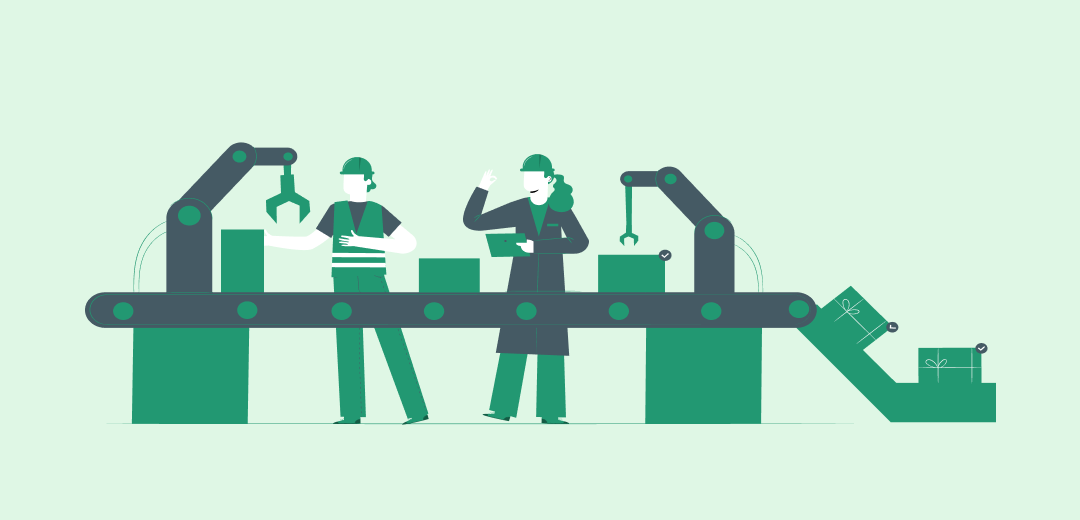
Manufacturing compliance training is the process of educating employees on the safety, quality, environmental, regulatory, and operational requirements they must follow on the job. For manufacturers, training is not limited to onboarding or annual refreshers. It affects machine safety, hazard communication, PPE use, lockout/tagout, chemical handling, GMP, FDA requirements, EPA obligations, ISO standards, workplace inspections, incident reporting, and audit readiness.
In manufacturing environments, a missed training task can create real operational risk. Employees may work with heavy machinery, hazardous chemicals, production equipment, food or medical products, quality control processes, and regulated documentation. If training records are incomplete or employees are unaware of updated procedures, manufacturers may face workplace injuries, failed audits, product quality issues, regulatory penalties, or production disruption.
The need for stronger training is clear. BLS reported 5,070 fatal work injuries in the U.S. in 2024, down from 5,283 in 2023, while OSHA continues to emphasize training across safety standards such as hazard communication, PPE, machine guarding, and other workplace requirements.
This guide explains what manufacturing compliance training is, which regulations matter, what training topics to include, how to build an effective training program, and how compliance software helps manufacturers track training, assign ownership, collect evidence, and stay audit-ready..
Key Takeaways
- Regulatory focus: Training must cover OSHA, HCS, EPA, and FDA requirements to protect workers, ensure product safety, and avoid costly violations.
- Training methods: In-person offers higher engagement; online provides flexibility, lower costs, and easier compliance tracking.
- Program essentials: Build role-specific modules, integrate feedback mechanisms, and promote a safety-first culture across all teams.
- Core benefits: Stronger legal compliance, fewer workplace injuries, higher employee retention, and improved brand trust.
- Challenges to address: Complex global regulations, poor documentation, supplier non-compliance, and lack of employee awareness.
- Technology advantage: Platforms like ComplianceOps streamline tracking, reporting, and evidence management, making compliance training scalable and audit-ready.
What is Manufacturing Compliance Training?
Manufacturing compliance training is a structured training program that teaches employees how to follow workplace safety rules, regulatory requirements, quality standards, environmental procedures, and company policies within a manufacturing facility.
It usually covers topics such as OSHA safety, hazard communication, machine safety, lockout/tagout, PPE, chemical handling, GMP, FDA requirements, EPA rules, quality control, incident reporting, emergency response, and documentation.
The goal is to make sure employees understand what they must do, when they must do it, and how their actions affect workplace safety, product quality, compliance, and audit readiness.
Key Compliance Regulations Every Manufacturer Must Know
In 2024, the U.S. reported 5,070 fatal work injuries, down from 5,283 in 2023. The fatal work injury rate also declined to 3.3 fatalities per 100,000 full-time equivalent workers, compared with 3.5 in 2023. For manufacturers, this reinforces the need for consistent safety training, clear procedures, incident reporting, and strong compliance documentation across facilities.
- Occupational Safety and Health Administration (OSHA): OSHA enforces workplace safety regulations, requiring manufacturers to ensure a safe working environment. OSHA mandates comprehensive training on workplace hazards, including machine safety, hazard communication, and proper use of personal protective equipment (PPE).
- Hazard Communication Standard (HCS): HCS mandates that manufacturers inform employees about hazardous chemicals present in their work environment. This includes proper labeling, maintaining safety data sheets (SDS), and providing adequate training on the handling, storage, and disposal of hazardous materials.
- Environmental Protection Agency (EPA): The EPA enforces regulations for air quality, water discharge, waste management, and control of toxic substances. Manufacturers must regularly train employees on these regulations to avoid violations, penalties, and environmental damage.
- Food and Drug Administration (FDA): Manufacturers in the pharmaceutical, food, and medical sectors must comply with FDA regulations to ensure the quality and safety of their products. The FDA’s Current Good Manufacturing Practices (CGMP) guidelines require manufacturers to establish quality management systems, maintain clean facilities, and document all processes.
To effectively choose the correct training methodology, it’s essential to evaluate the advantages of in-person versus online options.

Choosing the Right Training Methodology: In-Person vs. Online
When selecting a training method for compliance, consider factors such as employee engagement, flexibility, cost, and adaptability to meet industry-specific needs effectively.
Here’s a tabular view to address both methodologies:
| Aspect | In-Person Training | Online Training |
| Employee engagement | Provides immediate feedback and direct interaction, increasing engagement. | Online ethics and compliance training can be less interactive, but includes features such as discussion forums for enhanced engagement. |
| Flexibility & Convenience | Limited by location and scheduling, often requires time away from work. | Employees have the flexibility to complete their training at their own pace, minimizing disruptions. |
| Cost-Effectiveness | Higher initial costs for venue, materials, and trainers. | Generally, it is more cost-effective in the long run, especially for large teams. |
| Compliance Tracking | Easier to ensure full attendance and participation. | Automated tracking features allow for efficient monitoring of progress and completion. |
| Adaptability | May require adjustments to fit different learning styles and compliance updates. | Easily adaptable to accommodate different learning speeds and regulatory changes. |
Building an effective manufacturing compliance training program requires a structured approach that addresses specific regulatory needs and employee engagement.
Core Manufacturing Compliance Training Topics
A strong manufacturing compliance training program should be role-specific. Machine operators, quality teams, maintenance workers, supervisors, warehouse staff, and EHS leaders do not all need the same training depth.
Common training topics include:
| Training Area | What It Covers |
|---|---|
| OSHA safety training | Workplace hazards, employee safety responsibilities, inspections, and reporting |
| Hazard communication training | Chemical labels, safety data sheets, exposure risks, and safe handling |
| Machine safety training | Guarding, safe operation, maintenance procedures, and hazard awareness |
| Lockout/tagout training | Control of hazardous energy during maintenance or servicing |
| PPE training | Proper selection, use, maintenance, and limitations of protective equipment |
| Environmental compliance training | Waste handling, emissions, spills, storage, and EPA-related requirements |
| Quality and GMP training | Product quality, documentation, sanitation, process control, and corrective actions |
| Incident reporting training | How to report injuries, near misses, hazards, and corrective actions |
| Audit readiness training | How to maintain records, evidence, checklists, and inspection documentation |
How to Create an Effective Manufacturing Compliance Training Program
In 2025, 91% of companies plan to implement continuous compliance training, indicating a shift towards ongoing employee education to meet regulatory standards.
Here’s a step-by-step guide to developing an effective training program for manufacturing compliance:
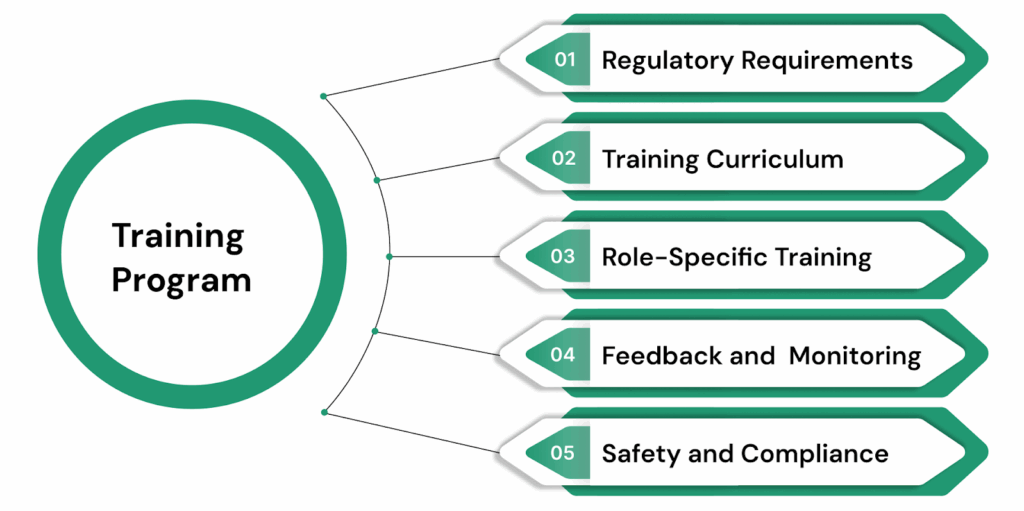
Step 1: Access Regulatory Requirements
Begin by identifying the specific compliance regulations pertinent to your industry, such as OSHA standards, EPA guidelines, or FDA regulations. In addition, perform a risk assessment to isolate risks within your facility, including machine operations, chemical handling, and environmental factors.
Step 2: Create a Training Curriculum
Design a training curriculum that includes all identified compliance areas, incorporating both theoretical knowledge and practical applications. Integrate instructional models with hands-on demonstrations and e-learning components for diverse learning preferences.
Step 3: Implement Role-Specific Training
Recognize that different roles within the manufacturing process may require specialized training. Develop tailored modules for various positions, such as machine safety compliance, safety officers, and maintenance personnel, to address the unique compliance responsibilities of each role.
Step 4: Establish Feedback Mechanisms and Continuous Monitoring
Implement regular assessments such as feedback surveys and practical evaluations to evaluate the effectiveness of your manufacturing training programs. Use the data to identify areas for improvement and support employee retention.
Step 5: Develop Safety and Compliance Culture
Promote a workplace culture that prioritizes safety and compliance by encouraging open communication, recognizing adherence to safety protocols, and addressing violations. Engage employees in safety committees, conduct regular safety audits, and provide incentives for exemplary compliance practices.
Let’s explore the key benefits of compliance training in manufacturing, from enhancing safety to improving operational efficiency.
Benefits of Compliance Training in Manufacturing
Compliance training in manufacturing is essential for maintaining regulatory standards, ensuring workplace safety, and enhancing overall operational performance.
Here are some of the benefits of an effective training program:
- Enhances operational efficiency: Compliance training helps establish standardized procedures, minimizing errors and streamlining workflows. It results in better productivity, as employees become compliant with regulations.
- Improves legal compliance: Regular compliance training ensures that employees stay up to date with changing regulations, thereby reducing the risk of non-compliance. Such a proactive approach helps manufacturers avoid costly fines and legal challenges.
- Enhances employee retention: A substantial investment in training demonstrates a commitment to employee development, resulting in an engaged workforce and a culture of safety consciousness.
- Reduces workplace injuries: Effective compliance training empowers employees with the knowledge to identify hazards and follow safety protocols, creating a safer environment and reducing costly incidents.
- Improves brand reputation: Mandating strict compliance standards signals to customers that an organization prioritizes safety. It enhances overall trust, improving customer loyalty and long-term success.
Also read: What are the Five Reasons for Compliance Failure.
To ensure effective compliance in manufacturing training, it’s crucial to address the common challenges that can affect the overall training process.
Common Challenges for Compliance in Manufacturing Training
Compliance should be more than a checkbox, and with appropriate implementation, it can protect product quality and worker safety. However, 95% of manufacturing companies still use paper-based processes for their compliance processes, making them vulnerable to errors and fines.
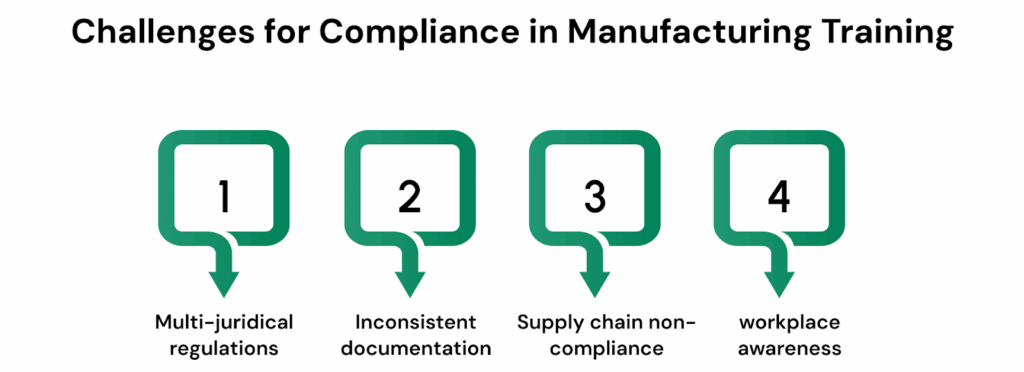
- Complex multi-juridical regulations: Manufacturers operating across borders face the challenge of complying with overlapping and sometimes conflicting rules. For instance, a medical device firm exporting to both the EU and the U.S. must align with the FDA and the EU MDR.
- Inconsistent documentation: Incomplete batch records, missing calibration logs, or inconsistent labeling can result in failed audits or product recalls. It is hazardous in industries governed by GMP, HACCP, or IATF 16949.
- Supply chain non-compliance: Many compliance risks originate upstream. For example, under REACH and CSDDD (EU), companies are now responsible for ensuring their suppliers meet environmental and human rights standards.
- Lack of workplace awareness: Operators unaware of updated Standard Operating Procedures (SOPs), labeling changes, or hazard handling procedures are a significant source of non-compliance.
Also read: Tips to Manage and Resolve Compliance Issues in the Workplace
Enhance Your Compliance Training with VComply
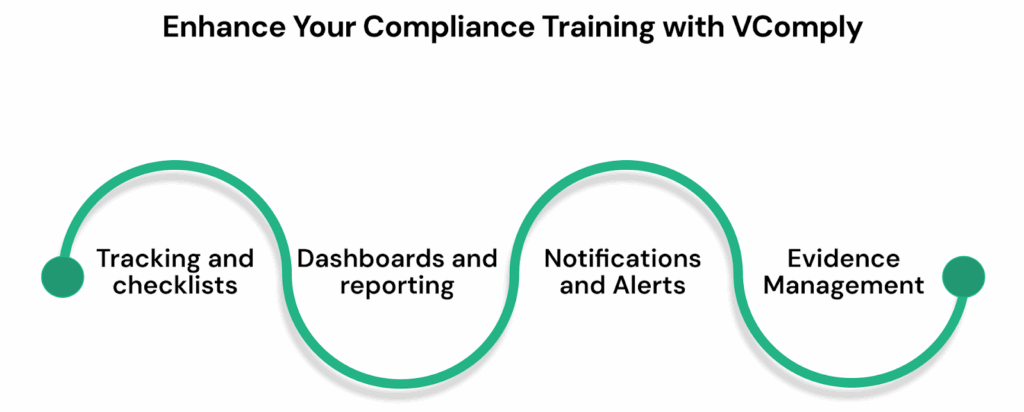
VComply’s ComplianceOps centralizes how you manage, track, and enhance your compliance training efforts across your organization. It combines compliance checklists, training tracking, and automated workflows to create a streamlined and efficient compliance management process.
Here are some of the core features:
- Centralized compliance tracking and checklists: Capture compliance data across teams, departments, and locations using centralized compliance checklists and libraries.
- Advanced dashboards and reporting: Access dynamic dashboards with VComply’s dashboard for graphical visualizations, tracking training completion rates, compliance gaps, and employee performance.
- Notifications and Alerts: Manage compliance with custom alerts through multiple integrations. Customize the frequency, stakeholders, and the lifecycle for timely actions and engagement.
- Evidence Management: VComply reduces manual tasks, enabling you to develop workflows for your program procedures and dedicate more time to critical compliance tasks.
Book a demo with VComply today and see how ComplianceOps streamlines compliance training, tracking, and reporting.

Final Thoughts
Practical manufacturing compliance training is essential for ensuring your team meets regulatory standards, enhances workplace safety, and drives operational efficiency. By centralizing training management, tracking progress, and staying aligned with industry regulations, organizations can significantly reduce risks. However, many manufacturers still face challenges with fragmented systems and inconsistent training, which can result in compliance gaps and costly penalties.
To address these issues, adopting an integrated compliance management system is key to simplifying your processes and enhancing training effectiveness. Start your 21-day free trial today and provide your team with a system that delivers transparency in managing compliance across your organization.
Frequently Asked Questions (FAQs)
Compliance in manufacturing involves following the laws, regulations, and standards that govern the production processes of goods and services. It ensures products meet safety, quality, and environmental standards to protect workers, consumers, and the environment.
Manufacturing training typically includes safety procedures, equipment handling, regulatory compliance, and environmental protocols. Employees need to be educated on industry-specific standards such as OSHA regulations, GMP, and environmental guidelines to ensure compliance.
Compliance training includes instruction on industry regulations, safety protocols, quality control measures, and risk management practices. It equips employees with the knowledge to meet legal, environmental, and safety standards in the workplace.
To get certified in compliance, individuals typically need to complete accredited training programs and pass relevant exams. Certification programs may focus on industry-specific regulations such as ISO, OSHA, or environmental standards.
A compliance checklist is a detailed list of actions or requirements that need to be followed to ensure adherence to regulations. It is used to verify that all legal, safety, and quality measures have been met in the manufacturing process.