

Global Trade and Import Export Compliance Management Software Tools
Global trade compliance is no longer just a customs or logistics function. For organizations that import, export, source globally, or work with international suppliers, trade compliance now sits at the intersection of governance, risk, legal, finance, procurement, supply chain, and operations.

Businesses must manage a growing set of import-export obligations, sanctions requirements, restricted-party screening expectations, customs documentation, product classifications, country-of-origin rules, licensing requirements, tariff exposure, supplier compliance, and audit evidence. When these activities are tracked through spreadsheets, emails, shared folders, or disconnected systems, compliance teams lose visibility into who owns each requirement, which actions are overdue, and whether the organization can prove compliance when regulators, auditors, or business partners ask.
This is where Trade and Import Export Compliance Management Software Tools become critical. Unlike traditional Global Trade Management tools that focus mainly on shipment execution, customs processes, or trade documentation, a GRC platform helps organizations manage the broader compliance operating model behind global trade. It connects obligations, policies, controls, risks, workflows, evidence, and reporting in one place.
Key Takeaways (TL;DR)
-
Learn how trade compliance protects your business reputation and minimizes financial risks effectively.
-
Discover the role of GTM software in streamlining international trade and regulatory compliance.
-
Explore key GTM features, including automated documentation, customs management, and risk mitigation.
-
Understand how real-time data and predictive analytics enhance global trade decision-making efficiency.
-
Get insights on selecting the right trade compliance software to ensure seamless operations globally.
What Is Trade Compliance Software?
Trade compliance software refers to digital platforms designed to help organizations comply with import, export, and customs regulations.
These systems automate and streamline compliance workflows while maintaining documentation and audit trails.
Leading global trade compliance software platforms typically support:
- Automated compliance screening
- Documentation management
- Classification and tariff management
- Risk monitoring
- Customs filing support
- Trade analytics and reporting
Rather than relying on spreadsheets and disconnected systems, businesses can manage trade obligations from a centralized platform.
The Rise of Global Trade Management Software
Global supply chains involve multiple stakeholders, regulations, and transportation networks.
Global trade management software helps organizations coordinate these moving parts while maintaining regulatory compliance.
A modern global trade management software platform typically integrates:
- Import and export management
- Customs documentation
- Trade finance support
- Shipment visibility
- Supplier collaboration
- Regulatory compliance controls
This integration allows organizations to move beyond reactive compliance and adopt a more proactive approach.
How Global Trade Compliance Software Improves Decision-Making
The value of global trade compliance software extends beyond operational efficiency.
These systems provide real-time insights that support better business decisions.
Key advantages include:
1. Centralized Compliance Visibility
Instead of scattered records and emails, businesses gain a unified view of trade activities.
2. Reduced Regulatory Risk
Automated screening and rule-based workflows reduce the likelihood of non-compliant transactions.
3. Faster Cross-Border Operations
Automation accelerates approvals, customs processing, and documentation preparation.
4. Improved Audit Readiness
Complete digital records simplify audits and regulatory inquiries.
Organizations using global trade compliance software often experience stronger control and improved operational consistency.
Trading Compliance Software Beyond Financial Markets
While many associate trading compliance software with financial services, the concept also applies to international commerce.
In global trade, trading compliance software helps businesses monitor regulatory obligations and transaction risks across trading activities.
This includes:
- Trade restrictions
- Sanctions monitoring
- Partner screening
- Transaction validation
- Documentation oversight
As trade regulations grow more dynamic, software-driven compliance becomes increasingly important.
Choosing the Right Trade Compliance Solutions
Not all trade compliance solutions are designed for the same business needs.
Companies should assess:
- Geographic trade footprint
- Product complexity
- Regulatory exposure
- Internal compliance maturity
- Integration requirements
A well-designed compliance platform should support both daily operations and long-term trade strategy.
The right trade compliance solutions enable organizations to move from manual, fragmented processes toward intelligent and scalable compliance management.
The Future of Global Trade Compliance
Trade regulations will continue to evolve alongside geopolitical shifts, digital customs initiatives, and supply chain transformation.
As a result, organizations increasingly rely on:
- trade compliance software
- customs compliance software
- global trade management software
- global trade compliance software
- customs compliance software solutions
- trading compliance software
- Advanced trade compliance solutions
Businesses that invest in modern compliance technology are better positioned to navigate complexity while maintaining speed, accuracy, and global competitiveness.
Top 5 Trade Software Tools for Trade Compliance
GRC software solutions are essential for businesses engaging in international trade, offering tools to manage compliance, streamline operations, and enhance decision-making. Here, we will review the top 5 leading GRC tools that assist organizations in addressing the challenges of global trade compliance and regulatory requirements.
1. VComply
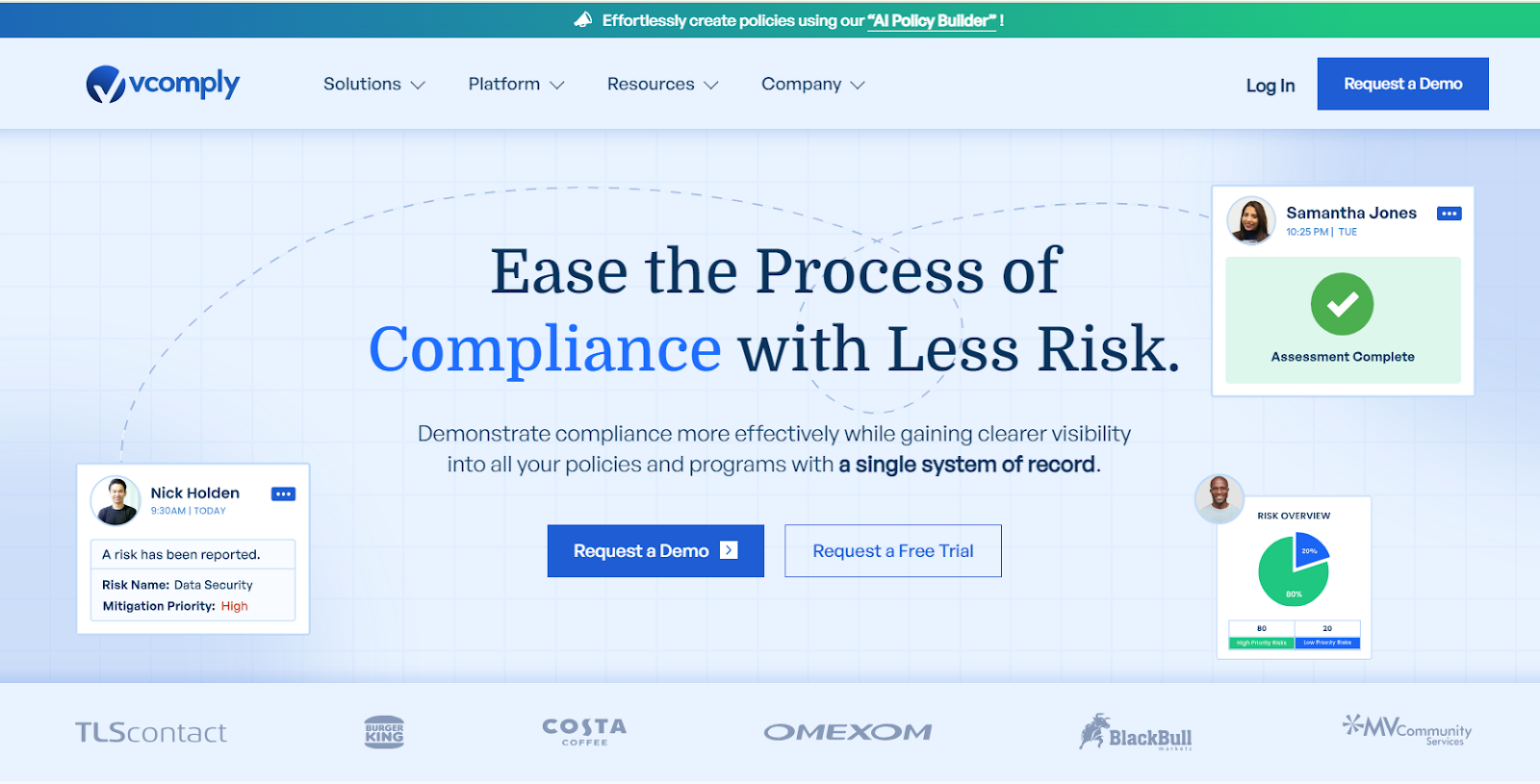
VComply excels as a top global trade compliance software, offering comprehensive features that simplify and automate compliance and risk management. Its advanced capabilities make it a leading choice for organizations seeking an efficient trade compliance solution. Here’s why VComply is a standout in the realm of trade compliance software:
- Customized Dashboards and Reporting: Customize dashboards and reports for compliance metrics.
- Streamlined Communication and Documentation: Store all compliance documents in a centralized location, ensuring your organization is audit-ready and streamlining trade compliance management.
- Advanced Audits and Assessments: Customize audits and manage trade compliance frameworks
- Comprehensive Regulatory Framework Library: Access a pre-built library of trade regulatory frameworks, aligning them across all compliance and risk management activities to save time and effort.
- Process Standardization: Promote consistent adherence to trade regulatory requirements across the organization, ensuring uniform compliance processes.
Pricing:
VComply offers affordable pricing plans, including starter, pro, and enterprise levels, tailored to meet diverse organizational needs. Click here for more information.
Demo:
Offers a free 21-day trial. Check it out to see how it enhances your trade compliance efforts. Click here to start your demo.
2. Descartes Datamyne
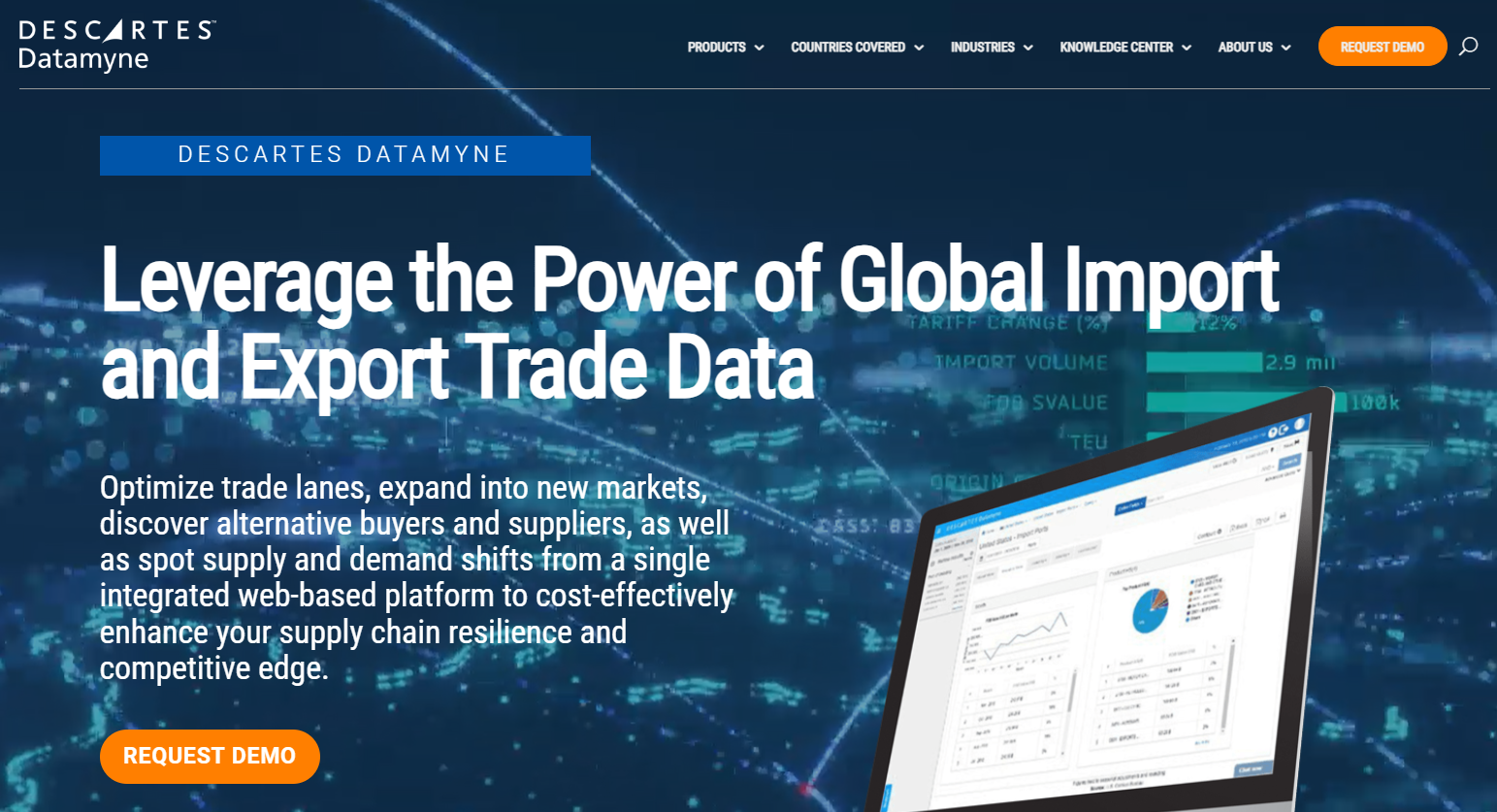
Descartes Datamyne offers tools for capturing and analyzing trade flows and trends, enhancing market insight for businesses in the logistics industry. It provides comprehensive international shipping details and features a robust database for improving competitive edge and operational strategy. The software supports businesses in resource allocation and market demand analysis with accessible trade data.
- Historical trade data
- Automated email alerts
- Comprehensive reporting
- Access to detailed shipping records
Pricing:
Plans fall into three distinct categories.
- U.S. Trade Data
- Global Import & Export Trade Data
- Market Insight
3. Safety Culture
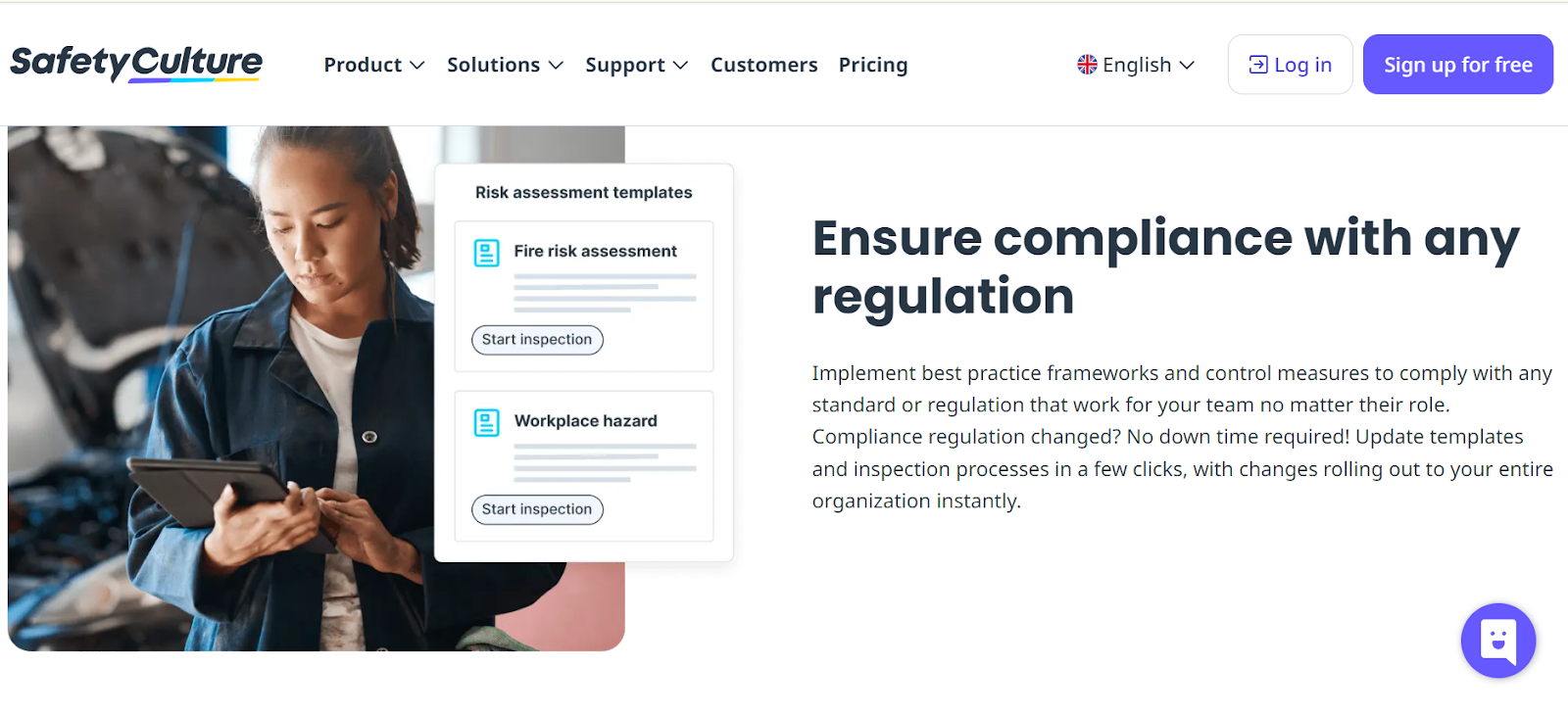
SafetyCulture provides a practical platform that supports strategic decision-making with a broad view of compliance, health, safety, and operational risks. Organizations can identify, assess, mitigate, and monitor various risks while ensuring compliance. The solution equips teams with the tools and knowledge needed to maintain safety standards and gradually enhance operational processes.
- Streamline Operations
- Anticipate & Identify Risks
- Audits & Inspections
- Regulatory Compliance
- Asset Management
Pricing and Packages
Free Plan: Ideal for individuals or small teams starting their digital transformation journey.
- Cost: $0 per user
Premium Plan: Best suited for teams seeking advanced insights and improved collaboration to enhance business operations.
- Cost: $24 per seat per month, billed annually
- Trial: 30-day free trial.
Enterprise Plan: Designed for large organizations that need advanced integrations and dedicated support, with scalable pricing.
- Cost: From $5 per seat per month, billed annually
4. Luminate by Blue Yonder
Blue Yonder’s Luminate Platform enhances global trade operations by leveraging AI to improve supply chain visibility, decision-making, and collaboration. The platform is designed to be cross-functional, aiding in resilient and sustainable supply chain management. It helps businesses make faster, more informed decisions with AI-driven insights and productivity tools.
- Decision-making & automation
- Inventory optimization
- Supply chain and promotion planning
- Connected ecosystem for streamlined complexity
5. Partner Linq
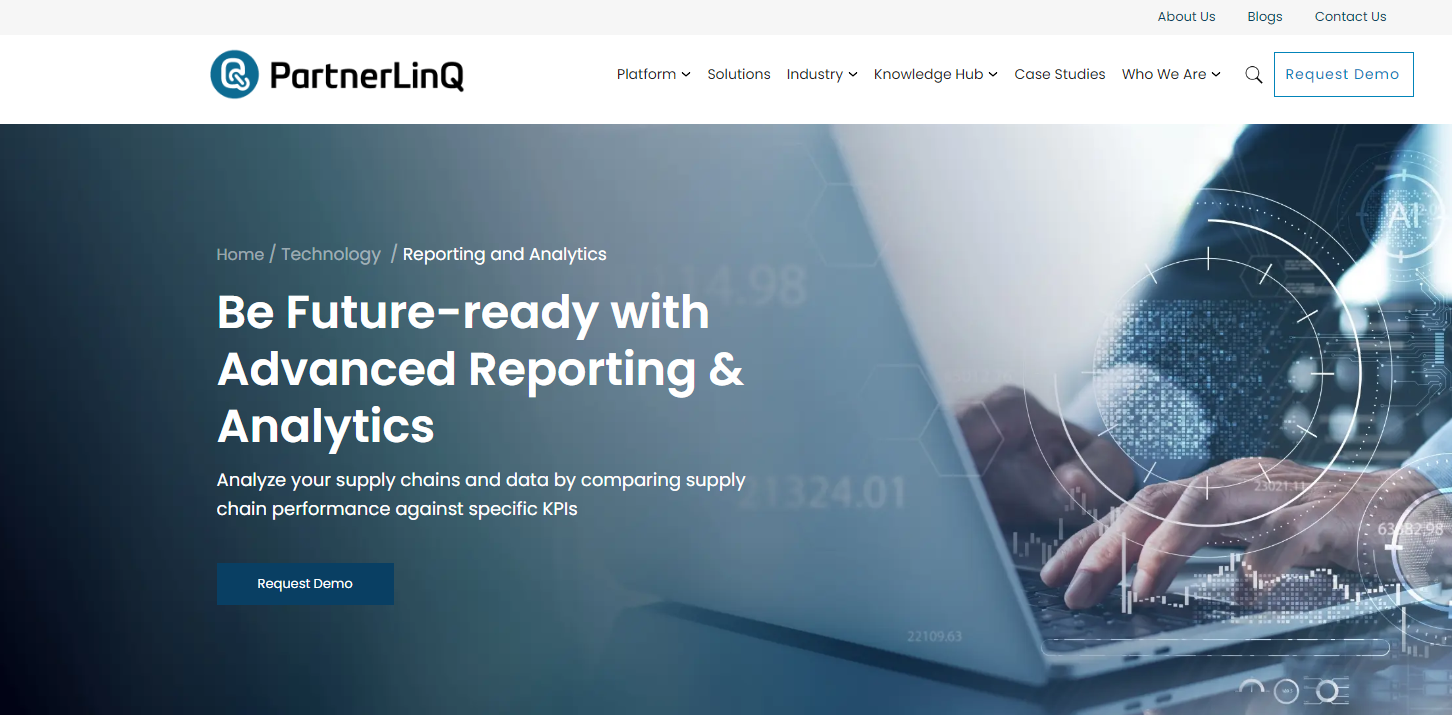
Partner Linq facilitates process streamlining and workflow automation within the logistics supply chain, offering a configurable and user-friendly platform. Partner Linq aims to enhance visibility, reduce errors, and scale operations efficiently.
- Improved visibility and tracking
- Reduced errors through automation
- Enhanced scalability and real-time connectivity
- Flexible, easy-to-use interface with built-in alerts
The Consequences of Non-Compliance
As the global trade landscape grows increasingly complex, the repercussions of non-compliance have become more severe. Failing to adhere to international trade regulations can lead to substantial penalties, legal challenges, and severe reputational damage. These outcomes can disrupt operations, lead to shipment delays, and even exclude companies from crucial markets.
How VComply Supports Trade and Import-Export Compliance
VComply helps organizations manage trade compliance as part of a broader GRC operating system.
With VComply, teams can:
- Map trade compliance obligations to controls, policies, and tasks
- Assign ownership for import-export compliance activities
- Track recurring reviews, approvals, and documentation requirements
- Centralize trade policies, procedures, and evidence
- Manage supplier and third-party compliance activities
- Track risks, incidents, exceptions, and corrective actions
- Automate reminders and escalations
- Maintain audit trails for regulators and internal audits
- Build dashboards for leadership visibility
- Keep compliance work organized across teams, regions, and business units
For organizations managing global trade, the challenge is not only understanding the rules. The challenge is proving that the right actions were taken, by the right people, at the right time, with the right evidence.
That is where VComply helps. It gives trade, compliance, legal, procurement, and operations teams one system to manage import-export compliance execution with clarity and accountability.
Ready to optimize your global trade operations with VComply? Schedule a demo today and discover how our comprehensive trade compliance software can streamline your import and export processes, ensuring seamless compliance and enhanced operational efficiency.
Frequently Asked Questions
Trade compliance software helps organizations manage the rules, controls, documentation, approvals, and evidence required for importing and exporting goods across borders. It can support activities such as product classification, sanctions screening, customs documentation, supplier due diligence, export license reviews, country-of-origin checks, exception tracking, and audit readiness.
Trade compliance is important because import and export failures can lead to fines, shipment delays, blocked goods, license issues, increased inspections, reputational damage, and supply chain disruption. As global trade becomes more complex, companies need clear ownership, documented controls, supplier oversight, and reliable evidence for trade compliance activities.
Traditional trade compliance or Global Trade Management software often focuses on shipment execution, customs processes, documentation, and trade operations. GRC software for trade compliance focuses on the operating model behind compliance, including obligations, policies, controls, risks, workflows, evidence, audit trails, exceptions, corrective actions, and leadership reporting.
Global trade compliance software should include import and export obligation tracking, product classification workflows, restricted-party and sanctions screening processes, license review controls, supplier compliance tracking, policy management, control testing, incident and exception management, evidence storage, dashboards, and audit-ready reporting.
GRC software helps with import and export compliance audits by centralizing evidence, mapping documentation to controls, assigning owners, tracking reviews, documenting approvals, and maintaining audit trails. This makes it easier to prove that screenings, classifications, supplier checks, exceptions, and corrective actions were completed and reviewed.
Trade compliance management software is useful for companies that import, export, source globally, work with international suppliers, ship regulated products, manage sensitive technologies, or operate across multiple countries. It is especially valuable for organizations with complex supply chains, high shipment volumes, third-party logistics partners, brokers, freight forwarders, or exposure to sanctions and export control requirements.