What is certificate of insurance tracking software?
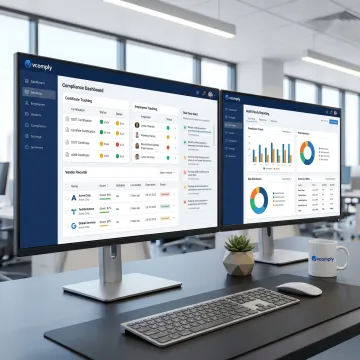
Certificate of insurance tracking software helps organizations collect, store, monitor, and review insurance certificates from vendors, contractors, or partners. Instead of relying on spreadsheets or email chains, teams can centralize documents, track expiration dates, flag missing coverage, maintain evidence, and generate reports that support internal oversight and audit preparation.
How does certificate of insurance compliance software improve operations?
It improves operations by automating repetitive compliance tasks such as document collection, reminders, status tracking, and reporting. Teams gain better visibility into active coverage, missing records, and upcoming renewals. This reduces manual follow-up work, lowers the chance of overlooked compliance gaps, and creates a more consistent process across departments and locations.
Can this software help with vendor and third-party compliance?
Yes. Certificate tracking software is commonly used to manage vendor and third-party compliance by organizing insurance documents, monitoring expiration dates, and documenting exceptions or follow-up actions. When paired with assessments, checklists, and policy workflows, it gives organizations a stronger framework for overseeing external partners and maintaining accountability.
What features should I look for in certificate of insurance tracking software?
Look for centralized document storage, automated reminders, compliance dashboards, evidence capture, reporting, customizable workflows, and integration capabilities. Strong platforms also support assessments, policy management, and audit-ready records. These features help teams move beyond basic tracking and build a more reliable compliance process that scales with organizational complexity.
Is certificate of insurance tracking software useful for audits?
Yes. A strong platform helps teams prepare for audits by keeping certificates, supporting evidence, review histories, and compliance actions in one place. Audit-ready reporting and real-time visibility make it easier to demonstrate oversight, identify gaps, and show how issues were addressed. This can significantly reduce the scramble that often happens before reviews.
Can certificate tracking software integrate with other business systems?
Many platforms can integrate with existing business tools to reduce duplicate entry and improve workflow continuity. Integration support is especially valuable when compliance data needs to align with procurement, vendor management, operations, or internal reporting systems. It helps teams maintain cleaner records and avoid disconnected processes across multiple platforms.
Which industries benefit most from certificate of insurance compliance software?
Industries with complex vendor relationships, regulatory obligations, or documentation requirements benefit most. This includes healthcare, manufacturing, financial services, energy and utilities, higher education, food and beverages, and nonprofit organizations. Any organization that must verify insurance coverage and maintain compliance records can gain efficiency and stronger oversight from the right platform.
How do I choose the right certificate of insurance tracking solution?
Choose a solution based on workflow flexibility, reporting depth, ease of use, integration options, and the ability to support broader compliance needs. If your organization manages policies, assessments, and risk activities alongside certificate tracking, a platform with connected GRC capabilities can provide better long-term value than a standalone tracking tool.